
 +1 915 229 3004 (U.S.) |
  +44 7452 242832 (U.K.)
+1 915 229 3004 (U.S.) | +44 7452 242832 (U.K.)

Smart spaces, defined as physical environments integrating technology and data to elevate user experiences, find application in diverse settings—commercial buildings, residential properties, and public spaces. The global smart space market is currently on a robust growth trajectory, driven by technological advancements, a surge in demand for sustainable and efficient buildings, and the widespread adoption of IoT (Internet of Things) devices.
The global smart space market is anticipated to achieve a valuation of approximately USD 23.18 billion by 2025, with a remarkable Compound Annual Growth Rate (CAGR) of 18.10% during the forecast period (2020-2025).
North America presently holds sway over the market, spearheaded by significant contributions from the United States. However, the Asia-Pacific region is poised to experience the highest growth rate in the coming years, fueled by increasing urbanization and governmental initiatives promoting smart city development.
By Component
By Space Type
By Application
By End User
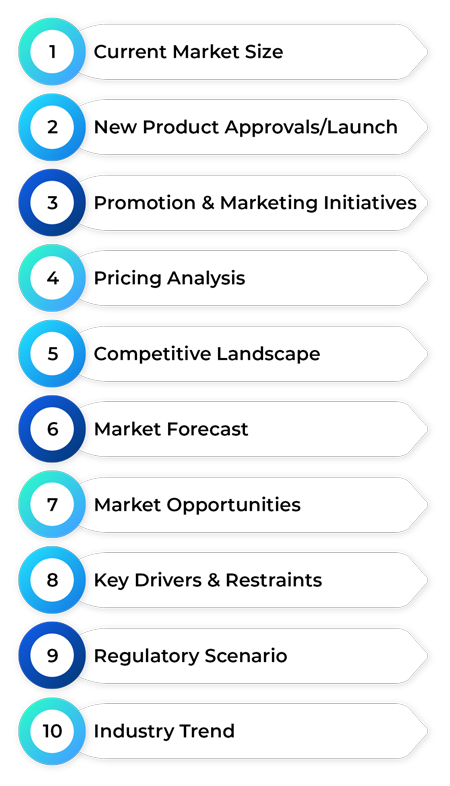
The smart space market is propelled by increasing demands for energy-efficient buildings, the proliferation of IoT devices, and advancements in AI (Artificial Intelligence) and cloud computing. These technological leaps enable the development of smart buildings, optimizing energy consumption, enhancing occupant comfort, and reducing operational costs.
An emerging trend is the ascent of smart cities, wherein diverse systems and technologies converge to enhance citizens' quality of life. This includes the integration of sensors, data analytics, and AI to monitor and manage city aspects like traffic, public safety, and utilities.
A significant opportunity lies in the escalating demand for smart homes, empowering homeowners with control over living spaces and advanced security features. The surge in remote work and online education further fuels the demand for smart home devices enhancing productivity and connectivity.
Challenges and threats include cybersecurity risks and the high cost associated with implementing smart building solutions. Additionally, awareness and technical expertise gaps among end-users, especially in developing countries, may impede smart space adoption.
Regulatory landscapes for smart spaces vary globally. In the U.S., the Department of Energy establishes guidelines for energy-efficient building design, while the European Union introduces directives promoting sustainable building practices.
Privacy concerns arise with the use of personal data in smart spaces, prompting governments to enact regulations such as the General Data Protection Regulation (GDPR) in the European Union.
Target demographics vary by application and market segment. The commercial sector is a key market for smart building solutions, focusing on energy management and occupancy tracking. Smart homes target homeowners and renters seeking advanced technologies to enhance living spaces.
Pricing trends differ across segments, influenced by factors like automation levels and customization requirements. Smart home devices tend to be more affordable and accessible, while advanced commercial solutions may necessitate significant investment and expertise.
Top of Form
The global smart space market is anticipated to achieve a valuation of approximately USD 23.18 billion by 2025
A remarkable Compound Annual Growth Rate (CAGR) of 18.10% during the forecast period (2020-2025).
List of Tables
Table 1 Global Rigid Box Forecasted Market Size by Type (2020-2028) (USD Billion)
Table 2 Global Rigid Box Forecasted Market Size by Application (2020-2028) (USD Billion)
Table 3 Global Rigid Box Historic Market Size by Regions (2017-2022) (USD Billion)
Table 4 Global Rigid Box Forecasted Market Size by Regions (2023-2028) (USD Billion)
Table 5 Global Rigid Box Historic Market Size by Type (2017-2022) (USD Billion)
Table 6 Global Rigid Box Forecasted Market Size by Type (2023-2028) (USD Billion)
Table 7 Global Rigid Box Historic Market Size by Application (2017-2022) (USD Billion)
Table 8 Global Rigid Box Forecasted Market Size by Application (2023-2028) (USD Billion)
Table 9 Global Rigid Box Market Analysis by Region (USD Billion), 2017-2028
Table 10 North America Rigid Box Market Size (2017-2028) (USD Billion)
Table 11 North America Rigid Box Historic Market Size by Type (2017-2028) (USD Billion)
Table 12 North America Rigid Box Historic Market Size by Application (2017-2028) (USD Billion)
Table 13 South & Central America Rigid Box Market Size (2017-2028) (USD Billion)
Table 14 South & Central America Rigid Box Historic Market Size by Type (2017-2028) (USD Billion)
Table 15 South & Central America Rigid Box Historic Market Size by Application (2017-2028) (USD Billion)
Table 16 Europe Rigid Box Market Size (2017-2028) (USD Billion)
Table 17 Europe Rigid Box Historic Market Size by Type (2017-2028) (USD Billion)
Table 18 Europe Rigid Box Historic Market Size by Application (2017-2028) (USD Billion)
Table 19 Asia Pacific Rigid Box Market Size (2017-2028) (USD Billion)
Table 20 Asia Pacific Rigid Box Historic Market Size by Type (2017-2028) (USD Billion)
Table 21 Asia Pacific Rigid Box Historic Market Size by Application (2017-2028) (USD Billion)
Table 22 Middle East & Africa Rigid Box MARKET SIZE (2017-2028) (USD Billion)
Table 23 Middle East & Africa Rigid Box Historic Market Size by Type (USD Billion)
Table 24 Middle East & Africa Size by Application (2017-2028) (USD Billion)
Table 25 Global Rigid Box Market- Drivers
Table 26 Global Rigid Box Market- Restraint /Challenges
Table 27 Global Rigid Box Market- Opportunity Analysis


Report Code :
RL65593
Published on :
Upcoming
Request a Free Sample Report

 Speak to Analyst