
 +1 915 229 3004 (U.S.) |
  +44 7452 242832 (U.K.)
+1 915 229 3004 (U.S.) | +44 7452 242832 (U.K.)

Antenna, transducer, and radome (ATR) technology comprises three essential components. The antenna serves as a device for transmitting and receiving radio-frequency signals. Transducers are employed to convert electric waves into radio waves and vice versa. Radomes are structures that safeguard antennas or radar systems from damage while concealing them from public view. ATR technology plays a crucial role in facilitating efficient communication, particularly in challenging environments. Its development aims to enhance the reliability of radar, sonar, and communication systems. ATR technology aids in detecting small, non-linearly moving targets for radar and sonar applications. Additionally, it enables radar technology-based systems to identify, connect, and detect various devices, facilitating effective data sharing. In the sonar system, transducers assist in identifying underwater targets by transmitting and receiving sound waves.
Moreover, ATR is vital equipment that enables wireless transmission/communication between multiple devices. Antennas, transducers, and radomes find applications in airspace, marine, and ground security, monitoring a diverse range of targets such as aircraft, unmanned aerial vehicles, ships, and underwater objects.
Governments worldwide implemented lockdowns, resulting in business halts and disruptions in defense equipment manufacturing. Reduced defense budgets in many countries affected the demand for ATR components due to economic decline and a focus on health budgets. Lockdowns led to raw material shortages, and social distancing measures caused a lack of labor for antenna, transducer, and radome manufacturing. While the defense sector faced setbacks, it is expected to recover post-pandemic, driving the ATR market.
The market is anticipated to grow due to increased demand for technologically advanced ATR, a rise in global military budgets, and surges in air traffic management activities. However, factors such as a lack of experienced and skilled labor and high installation and maintenance costs for radomes may impede market growth. Opportunities lie in the demand for new composites, increased ATR usage due to terrorist threats, and the rise in replacement and upgrading of ATR systems.
The integration of advanced technology-based components in ATR systems demands experienced and skilled labor for optimal performance. The high maintenance cost further emphasizes the need for skilled operators, hindering market growth due to their scarcity.
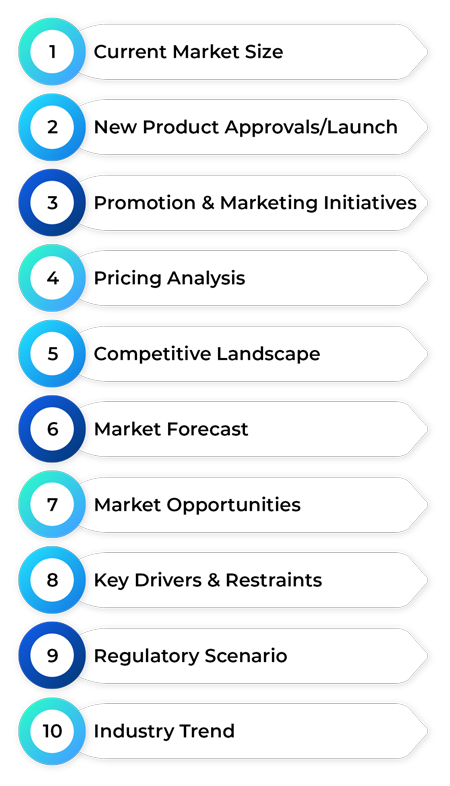
The report provides an analytical overview of the ATR market, covering current trends and future estimations for potential investments. It addresses key drivers, restraints, opportunities, and challenges in the market, presenting quantitative analyses of current market growth scenarios. Detailed market analysis is offered based on competitive intensity, shaping future competition.
· Product Categories: Antenna, Transducer, Radome
· Platform Types: Ground, Naval, Airborne
· Frequency Bands: HF/VHF/UHF, L-Band, S-Band, C-Band, X-Band, Ku-Band, Ka-Band, Multi-Band
· End Users: Defense, Commercial
· Applications: Wireless Communication, Navigation & Surveillance, Aerospace, Homeland Security
· Technology: Radar, Communication, Sonar
· Regions: North America, Europe, Asia-Pacific, LAMEA
Finmeccanica SpA, BAE Systems PLC, QinetiQ Group PLC, Cobham Plc, Honeywell International Inc., Exelixis Inc, Raytheon Technologies Corporation, L3Harris Technologies Inc., Thales S.A., Lockheed Martin Corporation
The global market is projected to grow at a CAGR of 10.2% during the forecast period, 2023-2032.
Research on the market is done by industry professionals who provide personalized insights on the industry structure, market segmentation, Type assessment, competitive landscape (CL), along with penetration, and emerging trends. In addition to years of professional experience in their various fields and sectors, their analysis is largely based on primary interview (60%) and secondary research (40%) as well as years of professional experience. In addition, our researchers forecast the market's direction over the following seven years by examining past trends and the market's current position. Additionally, various trends of segments and categories that are geographically portrayed are studied and estimated using primary and secondary research.
The key level executives (VP, CEO, Marketing Directors, and Business Development Managers) of the major industry participants who are active and prominent as well as mid-scale businesses operating in this market were interviewed in-depth for this supply-side report by overall Global Market Research.
Extensive primary research was conducted to gain a deeper grasp of the market and industry. Both primary and secondary research, as well as years of pertinent professional experience, are used to support the analysis. By analyzing past and present market patterns, our experts were able to forecast the market's course over the following seven years. For the geographically offered categories in the list of market tables, it differs per category. In connection with the Global Market research report, we also conducted a number of primary interviews with senior level executives (VP, CEO's, Directors, Marketing Directors, Business Development Managers, CFOs, Technical Consultants, Key Opinion Leaders, Industry Experts, Decision Matrix Authorities, and other crucial individuals) of the key industry players who dominated the Global market.
The primary purpose of secondary research was to gather, identify, and validate the information necessary for the thorough, technical, market-focused, and commercial analysis of the global market. With the use of this study, it was also possible to classify and segment the market in accordance with market trends, geographic markets, and regional considerations linked to market type. Analysts have gathered data in the Distribution Channel for the study of the market from reliable sources including annual reports, journals, white papers, corporate presentations, company websites, international organizations of Energy and Power manufacturers, credible paid databases, and many others to gather reliable intel.
Both top-down and bottom-up methodologies were employed to assess the accuracy of the global market size. The market for as a whole was estimated using these methods for a number of different dependent submarkets. Secondary research was used to address the major industry players, and primary and secondary research was used to calculate their market shares in the various regions. This complete intellectual process includes reading the annual and financial reports of the top market participants and conducting in-depth interviews with top industry executives (VP, CEO, Marketing Directors, and Business Development Managers) to gain important industry insights.
Through reliable secondary sources and validated primary sources, the classification of the global markets and their geographic percentage splits were established. To obtain the final qualitative and quantitative data, all relevant variables that might have an impact on the market under investigation have been taken into consideration, inspected in great depth, verified through primary research, and assessed. This information was collected, added to, and thoroughly examined by professional analysts before being provided in this report. The process used to estimate the overall market size for this study is depicted in the following image as an example.


Report Code :
RL65441
Published on :
Upcoming
Request a Free Sample Report

 Speak to Analyst