
 +1 915 229 3004 (U.S.) |
  +44 7452 242832 (U.K.)
+1 915 229 3004 (U.S.) | +44 7452 242832 (U.K.)

The Automotive Coil Spring Market reached a valuation of USD 3.7 Billion in 2022, and it is expected to grow from USD 3.8 Billion in 2023 to USD 5.4 Billion by 2032, with a compound annual growth rate (CAGR) of 4.55% during the forecast period (2023 - 2032). The industry's expansion is driven by various factors, including the growth of the automotive sector, increased demand for comfort and ride quality, technological advancements, vehicle weight reduction initiatives, rising adoption of electric vehicles (EVs), aftermarket demand, regional growth and infrastructure development, adherence to safety and compliance regulations, and increased interest in customization and performance upgrades.
Growth in the Automotive Industry: The significant expansion of the automotive sector has played a crucial role in driving the demand for automotive coil springs. The continual increase in vehicle production and sales worldwide has a direct impact on the demand for various automotive components, including coil springs.
Demand for Comfort and Ride Quality: Consumer preferences for better comfort and ride quality have contributed to the growing market for coil springs. As people spend more time in their vehicles, there is an increased desire for a smoother and more comfortable driving experience.
Technological Advancements: Ongoing technological innovations in the automotive industry have enhanced the functionality and design of coil springs. The use of advanced materials such as high-strength steel alloys and composite materials has improved durability, fatigue resistance, and reduced overall weight of coil springs.
Vehicle Weight Reduction Initiatives: With a focus on fuel efficiency and environmental sustainability, automotive manufacturers are implementing vehicle weight reduction programs. This has led to advancements in coil spring technology to accommodate lighter cars while ensuring a comfortable ride.
Increased Adoption of Electric Vehicles (EVs): The rise in the use of electric vehicles with distinct weight distributions has created new opportunities for coil spring producers. Electric vehicles may require coil springs specifically designed to meet their unique suspension requirements.
Aftermarket Demand: The aftermarket demand for automotive parts, including coil springs, is thriving, especially in regions like North America. As vehicles age, maintenance and replacement parts become essential, driving the overall demand for coil springs.
Regional Growth and Infrastructure Development: The growth of the automotive coil spring market is influenced by regional factors, including urbanization, economic growth, and infrastructure development. The Asia-Pacific region, especially China and India, has shown significant market dominance.
The market is segmented based on application, with SUVs dominating the market in 2022. The popularity of larger vehicles providing a commanding driving posture and a comfortable ride has contributed to the dominance of the SUV segment.
End-user segmentation includes commercial vehicles and passenger vehicles. The commercial vehicles category generated the most revenue in 2022, driven by the increasing demand for last-mile delivery services, especially with the growth of e-commerce.
The Asia-Pacific region led the market in 2022, with countries like China holding the largest market share. Rising automobile ownership, urbanization, and economic growth in the region contribute to the increasing demand for coil springs and aftermarket vehicle components.
Key market players, including GKN, Sogefi Group, NHK Nasco, Mubea, Betts Spring, MSSC, Hyperco, Neapco, Alco, Draco Spring, and UNI AUTO PARTS, are investing in research and development to expand their product lines. Strategic activities such as new product launches, contractual agreements, mergers and acquisitions, and collaboration are undertaken to enhance global footprint.
Smalley introduced wave springs that outperform coil springs in terms of smaller size, equal work force, and reduced material costs, contributing to lower production costs.
GKN (U.K.), Sogefi Group (Italy), NHK Nasco (U.S.), Mubea (Germany), Betts Spring (U.S.), MSSC (U.S.), Hyperco (U.S.), Neapco (U.S.), Alco (U.S.), Draco Spring (U.S.), UNI AUTO PARTS (Taiwan), among others.
There is a rising trend in the use of helical springs in the automotive sector, presenting opportunities for market growth.
The increasing need for high-quality products in the automobile industry is a significant dynamic driving market growth.
Application Outlook: SUV, MPV
End User Outlook: Commercial Vehicles, Passenger Vehicles
Regional Outlook: North America (U.S., Canada), Europe (Germany, France, UK, Italy, Spain, Rest of Europe), Asia-Pacific (China, Japan, India, Australia, South Korea, Rest of Asia-Pacific), Rest of the World (Middle East, Africa, Latin America)
· Market Size 2022: USD 3.7 Billion
· Market Size 2023: USD 3.8 Billion
· Market Size 2032: USD 5.3 Billion
· CAGR (2023-2032): 4.55%
· Base Year: 2022
· Market Forecast Period: 2023-2032
· Historical Data: 2018-2022
· Market Forecast Units: Value (USD Billion)
· Report Coverage: Revenue Forecast, Market Competitive Landscape, Growth Factors, and Trends
· Segments Covered: Application, End User, and Region
· Geographies Covered: North America, Europe, Asia Pacific, and the Rest of the World
· Countries Covered: U.S., Canada, Germany, France, UK, Italy, Spain, China, Japan, India, Australia, South Korea, Brazil, and others.
The Automotive Coil Spring Market reached a valuation of USD 3.7 Billion in 2022, and it is expected to grow from USD 3.8 Billion in 2023 to USD 5.4 Billion by 2032
The global market is projected to grow at a CAGR of 4.55% during the forecast period, 2023-2032.
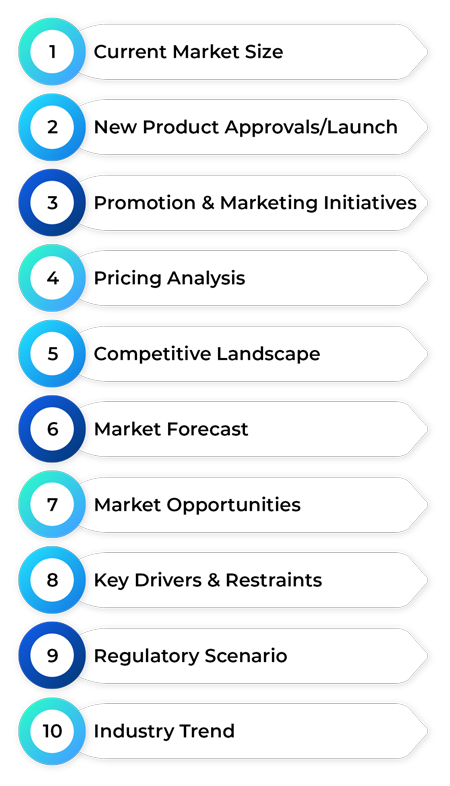
Research on the market is done by industry professionals who provide personalized insights on the industry structure, market segmentation, Type assessment, competitive landscape (CL), along with penetration, and emerging trends. In addition to years of professional experience in their various fields and sectors, their analysis is largely based on primary interview (60%) and secondary research (40%) as well as years of professional experience. In addition, our researchers forecast the market's direction over the following seven years by examining past trends and the market's current position. Additionally, various trends of segments and categories that are geographically portrayed are studied and estimated using primary and secondary research.
The key level executives (VP, CEO, Marketing Directors, and Business Development Managers) of the major industry participants who are active and prominent as well as mid-scale businesses operating in this market were interviewed in-depth for this supply-side report by overall Global Market Research.
Extensive primary research was conducted to gain a deeper grasp of the market and industry. Both primary and secondary research, as well as years of pertinent professional experience, are used to support the analysis. By analyzing past and present market patterns, our experts were able to forecast the market's course over the following seven years. For the geographically offered categories in the list of market tables, it differs per category. In connection with the Global Market research report, we also conducted a number of primary interviews with senior level executives (VP, CEO's, Directors, Marketing Directors, Business Development Managers, CFOs, Technical Consultants, Key Opinion Leaders, Industry Experts, Decision Matrix Authorities, and other crucial individuals) of the key industry players who dominated the Global market.
The primary purpose of secondary research was to gather, identify, and validate the information necessary for the thorough, technical, market-focused, and commercial analysis of the global market. With the use of this study, it was also possible to classify and segment the market in accordance with market trends, geographic markets, and regional considerations linked to market type. Analysts have gathered data in the Distribution Channel for the study of the market from reliable sources including annual reports, journals, white papers, corporate presentations, company websites, international organizations of Energy and Power manufacturers, credible paid databases, and many others to gather reliable intel.
Both top-down and bottom-up methodologies were employed to assess the accuracy of the global market size. The market for as a whole was estimated using these methods for a number of different dependent submarkets. Secondary research was used to address the major industry players, and primary and secondary research was used to calculate their market shares in the various regions. This complete intellectual process includes reading the annual and financial reports of the top market participants and conducting in-depth interviews with top industry executives (VP, CEO, Marketing Directors, and Business Development Managers) to gain important industry insights.
Through reliable secondary sources and validated primary sources, the classification of the global markets and their geographic percentage splits were established. To obtain the final qualitative and quantitative data, all relevant variables that might have an impact on the market under investigation have been taken into consideration, inspected in great depth, verified through primary research, and assessed. This information was collected, added to, and thoroughly examined by professional analysts before being provided in this report. The process used to estimate the overall market size for this study is depicted in the following image as an example.


Report Code :
RL65548
Published on :
Upcoming
Request a Free Sample Report

 Speak to Analyst