
 +1 915 229 3004 (U.S.) |
  +44 7452 242832 (U.K.)
+1 915 229 3004 (U.S.) | +44 7452 242832 (U.K.)

Global Backpack Market Size was valued at USD 16.6 Billion in 2022. The Backpack market industry is projected to grow from USD 17.6 billion in 2023 to USD 36.4 billion by 2032, exhibiting a compound annual growth rate (CAGR) of 9.60% during the forecast period (2023 - 2032). rising outdoor activities, urbanization and commuting, rising travel and tourism, fashion and lifestyle trends, Increased e-commerce, eco-friendly and sustainable initiatives, Season of returning to school and attending college, use of corporate and promotional materials, influence of social media, and influencers, are the key market drivers enhancing the market growth.
Download Free Sample to learn more about this report
Source: Secondary Research, Primary Research, RESEARCH LAYER Database and Analyst Review
Due to changing customer preferences, growing environmental consciousness, and corporate responsibility, sustainability and eco-friendly techniques are taking on more significance in the backpack market. Customers are looking for items that share their beliefs and help create a more sustainable future as environmental challenges get wider recognition. As a result, the backpack market has benefited from changes in the sector that favor eco-friendly procedures and supplies. Backpacks made of non-biodegradable materials, like common plastics and synthetic textiles, have in the past added to the issue of pollution and plastic waste. Manufacturers are quickly embracing the usage of eco-friendly materials including hemp, organic cotton, recycled polyester, and other biodegradable materials. These components lessen the need for virgin resources, cut back on carbon emissions, and lessen the negative environmental effects of producing backpacks.
An significant aspect influencing the market is the use of ecologically friendly materials and sustainable manufacturing techniques. Companies are working harder than ever to use less water, energy, and waste while producing goods. The production of backpacks today has a smaller environmental effect because to cutting-edge manufacturing techniques including waterless dyeing, energy-efficient manufacturing, and closed-loop production systems. The demand for eco-friendly backpacks increases as consumers become more willing to support sustainable company practices. A focus on product lifetime and durability has also developed as a result of sustainability and eco-friendly initiatives. As consumers become more aware of "fast fashion" and disposable goods, they are choosing lasting goods. In order to produce high-end, tough backpacks that can endure everyday use and ensure their utility for a long time, producers are spending more money. This shift toward long-lasting products lessens the need for frequent replacements, which lowers the overall demand for new backpacks and helps the industry become more sustainably run.
Due to environmental regulations, the idea of a circular economy has gained favor in the backpack industry. Businesses are thinking about recycling and take-back programs to persuade customers to return their used backpacks for repair or recycling. Businesses can increase the usefulness of their products and lessen the amount of waste that is disposed in landfills or the environment by utilizing circular business practices. This strategy helps create a company's reputation and encourages customer loyalty in addition to drawing in clients who care about the environment. Consumer behavior and purchase decisions are influenced by sustainability and eco-friendly initiatives. Studies and surveys reveal that a significant portion of consumers are willing to pay more for goods that uphold their environmental ideals. Customers are choosing eco-friendly backpacks more frequently as they become more conscious of climate change and other environmental issues and see them as a practical way to make a difference. Due to this consumer demand, producers are motivated by the market to promote sustainable practices and experiment with eco-friendly materials.
The backpack industry is being pushed toward sustainability by laws and industry standards. Many nations have put regulations and rewards into place to encourage eco-friendly production methods and discourage single-use plastics. In addition to being required by law, compliance with these laws gives firms a competitive advantage in the market and demonstrates their dedication to sustainability. Thus, driving the Backpack market revenue.
The global Backpack market segmentation,based on Product Type, includes travel, Hiking/Camping, and Others. The Travel segment dominated the market in 2022. One of the major factors affecting the travel segment of the backpack market is the expansion of the global tourism and travel industry. Travel-friendly bags are becoming more and more in demand as more people fly domestically and abroad. Due to their hands-free design, ergonomic comfort, and capacity to hold necessities for a variety of travel purposes, backpacks are a popular choice among travelers.
The global Backpack market segmentation, based on Material, includes nylon, Polyester, and others. The Nylon category generated the most income in 2022 because nylon is extremely durable, it can withstand both everyday use and outdoor activities. It is ideal for backpacks that need to carry heavy loads or endure rough terrain due to its toughness. Customers seeking reliable and reputable products would find it appealing because of this.
The global Backpack market segmentation, based on the Distribution Channel, includes Online Channel and Offline Channels. The Offline Channel segment dominated the market in 2022. With offline shopping, customers can buy a backpack and immediately take it home. It is not necessary to wait for delivery, which is especially helpful for last-minute orders or situations where customers need the product right away.
Download Free Sample to learn more about this report
Source: Secondary Research, Primary Research, RESEARCH LAYER Database and Analyst Review
Insights into the markets in North America, Europe, Asia-Pacific, and the rest of the world are provided by the study. The North America Backpack Market dominated this market in 2022 (45.80%).In North America, there is a huge demand for outdoor activities like camping and adventure sports. Backpacks that can handle these activities and have features like durability, weather resistance, and specialized compartments are greatly needed. Further, In the North American area, the U.S. Backpack market had the biggest market share, while the Canada Backpack market had the quickest rate of expansion.
Further, the major countries studied in the market report are The U.S., Canada, German, France, the UK, Italy, Spain, China, Japan, India, Australia, South Korea, and Brazil.
Download Free Sample to learn more about this report
Source: Secondary Research, Primary Research, RESEARCH LAYER Database and Analyst Review
The second-largest market share belongs to the backpack industry in Europe. Many European cities have a strong cycling culture, and commuters regularly use backpacks to carry essentials on their bicycle trips. Backpacks with features like bright materials and comfortable straps cater to this market.Further, In the European region, the German backpack market had the biggest market share, and the U.K. Backpack market had the quickest rate of growth.
The Asia-Pacific Backpack Market is expected to grow at the fastest CAGR from 2023 to 2032. The region's diverse landscapes offer opportunities for outdoor recreation and adventurous travel. Backpacks made for outdoor pursuits like hiking and trekking are in high demand. Moreover, In the Asia-Pacific region, the Indian Backpack market had the quickest rate of growth while China's Backpack market had the greatest market share.
Leading industry companies are making significant R&D investments in order to diversify their product offerings, which will drive the Backpack market's expansion. Important market developments include new product releases, contractual agreements, mergers and acquisitions, greater investments, and collaboration with other organizations. Market participants are also engaging in a number of strategic actions to increase their global footprint. The Backpack sector needs to provide affordable products if it wants to grow and thrive in a more competitive and challenging market environment.
One of the primary business strategies employed by manufacturers in the worldwide Backpack industry to assist customers and expand the market sector is local manufacturing to reduce operational costs. Some of the biggest benefits to medicine have recently come from the Backpack sector.Major players in the Backpack market, including Adidas AG (Germany), Under Armor Inc. (U.S.), Patagonia Inc. (U.S.), Puma SE (Germany), Wildcraft (India), Samsonite IP Holdings S.AR.L (Hong Kong), Dakine Inc. (U.S.), Deuter Sport GmbH (Germany), Moët Hennessy Louis Vuitton (LVMH) (France), Safari (India) and others, are attempting to increase market demand by investing in research and development operations.
Designing, creating, and selling athletic and sports lifestyle items is the business of adidas AG (adidas). Shoes, clothing, and accessories like purses, sunglasses, sports gear, and balls make up the company's product line. The business sells and distributes its items through franchise stores, shops carrying its own brand, retail stores, wholesalers, chains for sporting goods, buying groups, department stores, chains for lifestyle retail, and online retailers. It also advertises its products on e-commerce websites and mobile shopping apps. The adidas brand is used in the promotion of adidas goods. It also takes part in a number of product franchises. The company conducts business all over the world, including in the Middle East, Europe, the Americas, Asia-Pacific, Africa, and other regions. Herzogenaurach, Germany serves as the home base for adidas.
LVMH The Moet Hennessy Louis Vuitton SE (LVMH) brand produces and markets high-end products. Clothing, leather products, alcohol, jewelry, watches, fragrances, and cosmetics are just a few of the products that the company sells. Christian Dior, Guerlain, Givenchy, Kenzo, Louis Vuitton, Celine, EmiloPucci, Loewe, Nicolas Kirkwood, Make Up For Ever, and Zenith are just a few of the brands marketed by LVMH. It also operates in a number of additional businesses under the DFS, La Grande Epicerie de Paris, Sephora, and Le Bon Marche Rive Gauche brands in addition to providing cruise services and engaging in selective retail commerce. The corporation's business operations are spread out across the Middle East, Europe, Asia, and the US. The head headquarters of LVMH is situated in Paris, France.
· Adidas AG (Germany)
· Under Armor Inc. (U.S.)
· Patagonia Inc. (U.S.)
· Puma SE (Germany)
· Wildcraft (India)
· Samsonite IP Holdings S.AR.L (Hong Kong)
· Dakine Inc. (U.S.)
· Deuter Sport GmbH (Germany)
· Moët Hennessy Louis Vuitton (LVMH) (France)
· Safari (India)
January 2023:BTS and Samsonite jointly unveiled a line of travel accessories that included a backpack, luggage, micro crossbody bag, expandable bag, pouch bag, and three-piece luggage tag set.
March 2022:For the evolving digital lifestyle of people, Warrior launched a backpack with features including multiple compartments, a security pocket, a TSA-approved lock, and more.
· Travel
· Hiking/Camping
· Others
· Nylon
· Polyester
· Others
· Online Channel
· Offline Channel
· North America
- U.S.
- Canada
· Europe
- Germany
- France
- UK
- Italy
- Spain
- Rest of Europe
· Asia-Pacific
- China
- Japan
- India
- Australia
- South Korea
- Australia
- Rest of Asia-Pacific
· Rest of the World
- Middle East
- Africa
- Latin America
Report Scope
|
Report Attribute/Metric |
Details |
|
Market Size 2022 |
USD 16.6 Billion |
|
Market Size 2023 |
USD 17.6 Billion |
|
Market Size 2032 |
USD 36.4 Billion |
|
Compound Annual Growth Rate (CAGR) |
9.60% (2023-2032) |
|
Base Year |
2022 |
|
Market Forecast Period |
2023-2032 |
|
Historical Data |
2018- 2022 |
|
Market Forecast Units |
Value (USDBillion) |
|
Report Coverage |
Revenue Forecast, Market Competitive Landscape, Growth Factors, and Trends |
|
Segments Covered |
Product Type, Material, Distribution Channel, and Region |
|
Geographies Covered |
North America, Europe, AsiaPacific, and the Rest of the World |
|
Countries Covered |
The U.S., Canada, German, France, UK, Italy, Spain, China, Japan, India, Australia, South Korea, and Brazil |
|
Key Companies Profiled |
Adidas AG (Germany), Under Armor Inc. (U.S.), Patagonia Inc. (U.S.), Puma SE (Germany), Wildcraft (India), Samsonite IP Holdings S.AR.L (Hong Kong), Dakine Inc. (U.S.), Deuter Sport GmbH (Germany), Moët Hennessy Louis Vuitton (LVMH) (France), Safari (India) |
|
Key Market Opportunities |
· Due to the increased popularity of camping and other recreational activities, market value will increase. |
|
Key Market Dynamics |
· Industry growth was spurred by the rising popularity of mobile lifestyles. |
The global Backpack Market was valued at USD 16.6 billion in 2022, and it is estimated to reach USD 36.4 billion by 2032.
The global market is projected to grow at a CAGR of 9.60% during the forecast period, 2023-2032.
North America had the largest share in the global market
The key players in the market are Adidas AG (Germany), Under Armor Inc. (U.S.), Patagonia Inc. (U.S.), Puma SE (Germany), Wildcraft (India), Samsonite IP Holdings S.AR.L (Hong Kong), Dakine Inc. (U.S.), Deuter Sport GmbH (Germany), Moët Hennessy Louis Vuitton (LVMH) (France), Safari (India).
The travel category dominated the market in 2022.
The offline channelhad the largest share in the global market.
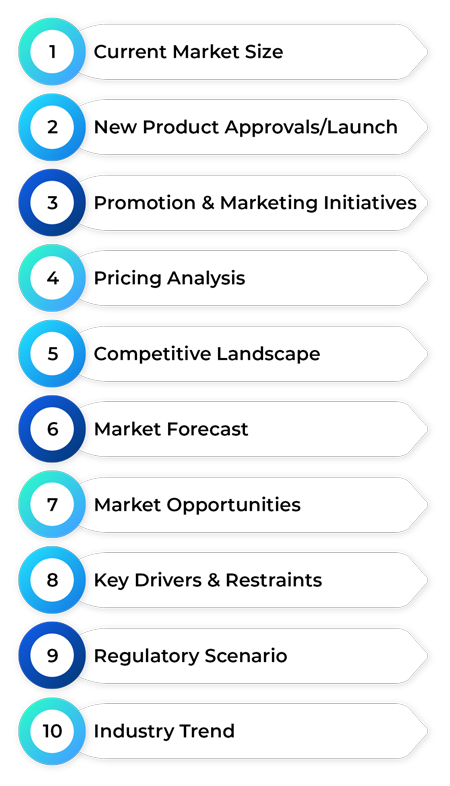
Research on the market is done by industry professionals who provide personalized insights on the industry structure, market segmentation, Type assessment, competitive landscape (CL), along with penetration, and emerging trends. In addition to years of professional experience in their various fields and sectors, their analysis is largely based on primary interview (60%) and secondary research (40%) as well as years of professional experience. In addition, our researchers forecast the market's direction over the following seven years by examining past trends and the market's current position. Additionally, various trends of segments and categories that are geographically portrayed are studied and estimated using primary and secondary research.
The key level executives (VP, CEO, Marketing Directors, and Business Development Managers) of the major industry participants who are active and prominent as well as mid-scale businesses operating in this market were interviewed in-depth for this supply-side report by overall Global Market Research.
Extensive primary research was conducted to gain a deeper grasp of the market and industry. Both primary and secondary research, as well as years of pertinent professional experience, are used to support the analysis. By analyzing past and present market patterns, our experts were able to forecast the market's course over the following seven years. For the geographically offered categories in the list of market tables, it differs per category. In connection with the Global Market research report, we also conducted a number of primary interviews with senior level executives (VP, CEO's, Directors, Marketing Directors, Business Development Managers, CFOs, Technical Consultants, Key Opinion Leaders, Industry Experts, Decision Matrix Authorities, and other crucial individuals) of the key industry players who dominated the Global market.
The primary purpose of secondary research was to gather, identify, and validate the information necessary for the thorough, technical, market-focused, and commercial analysis of the global market. With the use of this study, it was also possible to classify and segment the market in accordance with market trends, geographic markets, and regional considerations linked to market type. Analysts have gathered data in the Distribution Channel for the study of the market from reliable sources including annual reports, journals, white papers, corporate presentations, company websites, international organizations of Energy and Power manufacturers, credible paid databases, and many others to gather reliable intel.
Both top-down and bottom-up methodologies were employed to assess the accuracy of the global market size. The market for as a whole was estimated using these methods for a number of different dependent submarkets. Secondary research was used to address the major industry players, and primary and secondary research was used to calculate their market shares in the various regions. This complete intellectual process includes reading the annual and financial reports of the top market participants and conducting in-depth interviews with top industry executives (VP, CEO, Marketing Directors, and Business Development Managers) to gain important industry insights.
Through reliable secondary sources and validated primary sources, the classification of the global markets and their geographic percentage splits were established. To obtain the final qualitative and quantitative data, all relevant variables that might have an impact on the market under investigation have been taken into consideration, inspected in great depth, verified through primary research, and assessed. This information was collected, added to, and thoroughly examined by professional analysts before being provided in this report. The process used to estimate the overall market size for this study is depicted in the following image as an example.


Report Code :
RL65204
Published on :
Sep 2023
Request a Free Sample Report

 Speak to Analyst