
 +1 915 229 3004 (U.S.) |
  +44 7452 242832 (U.K.)
+1 915 229 3004 (U.S.) | +44 7452 242832 (U.K.)

The demand for circuit materials in 2022 reached $36.71 billion, escalating to $38.6 billion in 2023. Forecasts indicate a Compound Annual Growth Rate (CAGR) of 4.21%, projecting sales to hit $58.1 billion by 2033. The surge is attributed to the evolving landscape of electronic devices, demanding intricate and specialized circuit designs to accommodate increased complexity.
Advanced and Compact Devices: The trend towards smaller and more advanced electronic devices fuels the demand for high-performance circuit materials capable of supporting miniaturized components and densely packed circuits.
High-Speed Data Transmission: Increasing demand for high-speed data transmission in smartphones and data centers propels the need for circuit materials with low signal loss, reduced electromagnetic interference, and improved signal integrity.
5G Technology Rollout: The advent of 5G networks necessitates circuit materials with enhanced radio frequency (RF) performance to handle high frequencies and faster data rates.
Flexible and Wearable Electronics: The emergence of flexible and wearable electronics drives demand for specialized flexible circuit materials capable of withstanding physical stress like bending and stretching.
Automotive Electronics Boom: The integration of electronic systems in vehicles for safety, entertainment, and autonomous driving influences the demand for reliable and robust circuit materials with better thermal management and energy efficiency.
The circuit materials market witnessed a historical CAGR of 5.61% from 2018 to 2022, fueled by innovations in packaging such as 3D packaging and system-in-package (SiP) designs.
Signal Integrity Issues: High-frequency circuits face challenges related to signal integrity, including variations in dielectric constant and conductor surface roughness.
Testing and Quality Control: Ensuring consistent quality and performance requires robust testing methods and quality control processes.
Lack of Standardization: The absence of standardized testing methods and parameters for circuit materials can lead to variations in performance.
Complex Design Requirements: Meeting diverse application requirements, from aerospace to consumer electronics, poses challenges in designing circuit materials.
Adoption of Alternative Technologies: The adoption of alternative technologies like graphene introduces challenges in terms of scalability and integration.
Advanced Substrates: Rising demand for high-frequency and high-speed applications is driving the need for advanced substrates in the circuit materials market.
Flexible and Printed Electronics: The rise of wearables, flexible displays, and IoT devices fosters the need for circuit materials that can conform to unconventional shapes.
Wireless Charging: Circuit materials compatible with wireless charging technology are gaining importance as wireless charging methods become popular.
Rapid Prototyping: The need for fast product development is driving the demand for circuit materials that allow quick and cost-effective prototyping.
High-Frequency Applications: The expansion of IoT, satellite communication, and aerospace technologies is stimulating the development of circuit materials for high-frequency applications.
Key manufacturers, including Arlon Electronic Materials Division, Chang Chun Group, D. D. Enterprises, Doosan Corporation Electro-Materials, and Dow, Inc., focus on continuous innovation and customization to enhance their market share.
The global circuit materials market is poised for significant growth, driven by advancements in technology, the demand for miniaturization, and the proliferation of advanced electronic devices across various industries. The market's trajectory is shaped by trends such as the rollout of 5G, the rise of flexible electronics, and the growing emphasis on sustainability in material choices.
The demand for circuit materials in 2022 reached $36.71 billion, escalating to $38.6 billion in 2023, projecting sales to hit $58.1 billion by 2033.
The global market is projected to grow at a CAGR of 4.21% during the forecast period, 2023-2033.
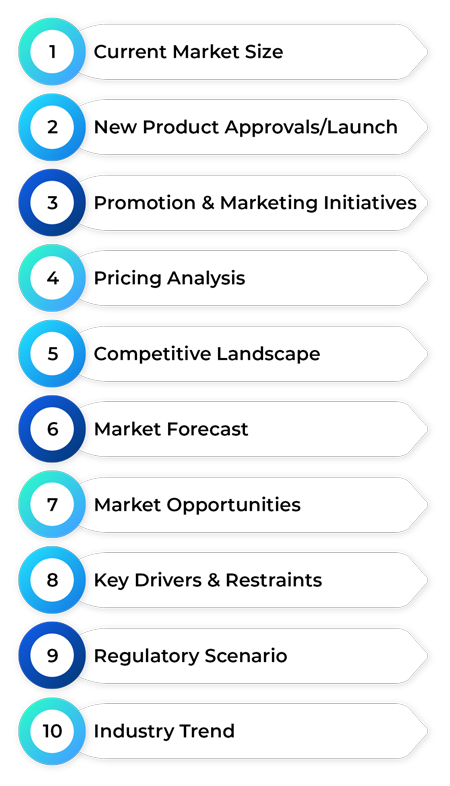
Research on the market is done by industry professionals who provide personalized insights on the industry structure, market segmentation, Type assessment, competitive landscape (CL), along with penetration, and emerging trends. In addition to years of professional experience in their various fields and sectors, their analysis is largely based on primary interview (60%) and secondary research (40%) as well as years of professional experience. In addition, our researchers forecast the market's direction over the following seven years by examining past trends and the market's current position. Additionally, various trends of segments and categories that are geographically portrayed are studied and estimated using primary and secondary research.
The key level executives (VP, CEO, Marketing Directors, and Business Development Managers) of the major industry participants who are active and prominent as well as mid-scale businesses operating in this market were interviewed in-depth for this supply-side report by overall Global Market Research.
Extensive primary research was conducted to gain a deeper grasp of the market and industry. Both primary and secondary research, as well as years of pertinent professional experience, are used to support the analysis. By analyzing past and present market patterns, our experts were able to forecast the market's course over the following seven years. For the geographically offered categories in the list of market tables, it differs per category. In connection with the Global Market research report, we also conducted a number of primary interviews with senior level executives (VP, CEO's, Directors, Marketing Directors, Business Development Managers, CFOs, Technical Consultants, Key Opinion Leaders, Industry Experts, Decision Matrix Authorities, and other crucial individuals) of the key industry players who dominated the Global market.
The primary purpose of secondary research was to gather, identify, and validate the information necessary for the thorough, technical, market-focused, and commercial analysis of the global market. With the use of this study, it was also possible to classify and segment the market in accordance with market trends, geographic markets, and regional considerations linked to market type. Analysts have gathered data in the Distribution Channel for the study of the market from reliable sources including annual reports, journals, white papers, corporate presentations, company websites, international organizations of Energy and Power manufacturers, credible paid databases, and many others to gather reliable intel.
Both top-down and bottom-up methodologies were employed to assess the accuracy of the global market size. The market for as a whole was estimated using these methods for a number of different dependent submarkets. Secondary research was used to address the major industry players, and primary and secondary research was used to calculate their market shares in the various regions. This complete intellectual process includes reading the annual and financial reports of the top market participants and conducting in-depth interviews with top industry executives (VP, CEO, Marketing Directors, and Business Development Managers) to gain important industry insights.
Through reliable secondary sources and validated primary sources, the classification of the global markets and their geographic percentage splits were established. To obtain the final qualitative and quantitative data, all relevant variables that might have an impact on the market under investigation have been taken into consideration, inspected in great depth, verified through primary research, and assessed. This information was collected, added to, and thoroughly examined by professional analysts before being provided in this report. The process used to estimate the overall market size for this study is depicted in the following image as an example.


Report Code :
RL65492
Published on :
Upcoming
Request a Free Sample Report

 Speak to Analyst