
 +1 915 229 3004 (U.S.) |
  +44 7452 242832 (U.K.)
+1 915 229 3004 (U.S.) | +44 7452 242832 (U.K.)

The global energy security market, valued at $15.7 billion in 2021, is anticipated to reach $42.1 billion by 2031, exhibiting a compound annual growth rate (CAGR) of 10.51% from 2022 to 2031. However, the market faced challenges due to the COVID-19 pandemic, leading to disruptions in the supply chain and project timelines for renewable energy companies.
Energy security involves safeguarding power plants and energy sources from physical and cyber threats to ensure uninterrupted power generation. Factors such as the rapid deployment of renewable energy, increased energy efficiency, and diversification of energy sources contribute to enhanced energy security and economic benefits.
Government pressure, security compliance, and regulations, coupled with the growing threats from terrorist and cyber-attacks, drive the energy security market. On the flip side, a lack of awareness about security implementation by operators hampers market growth. However, the rise of new energy markets in developing economies presents lucrative expansion opportunities.
The energy security market is segmented based on components (solution and service), technology (physical security and network security), power plant (thermal and hydro, nuclear, oil and gas, renewable energy), and region (North America, Europe, Asia-Pacific, LAMEA).
In 2021, North America dominated the market share, driven by increased adoption of balanced energy production in the oil and natural gas industries. Asia-Pacific is expected to witness significant growth during the forecast period due to advancing societies and government initiatives.
Leading players in the energy security industry include ABB Ltd., BAE Systems plc, Thales, Elbit Systems Ltd., Honeywell International Inc., Siemens AG, Lockheed Martin Corporation, Teledyne FLIR LLC, hexagon ab, and AEGIS Security & Investigations.
Digital energy systems, utilizing tools like artificial intelligence and blockchain, play a vital role in managing complex modern energy systems. Cloud computing supports energy applications, fostering communication and collaboration. Companies are incorporating digital technologies to enhance energy security and meet Net Zero emissions objectives.
Governments worldwide are implementing regulations to promote cost-effective, eco-friendly electric products. For instance, India's Go Electric campaign encourages the adoption of electric mobility vehicles. Privacy laws, such as the California Consumer Privacy Act and the European General Data Protection Regulation (GDPR), are influencing how businesses collect and use data.
Increased government pressure, security compliance, and the rise in threats from terrorist and cyber-attacks are key factors driving innovation and growth in the energy security market. Implementation of network and physical solutions, such as secure communications and surveillance systems, is crucial for enhancing security.
The report provides an in-depth analysis of global energy security market trends, drivers, restraints, and opportunities. Porter's five forces analysis illustrates the industry's buyer and supplier potency. The market analysis from 2022 to 2031 aids in understanding potential investment opportunities.
· Market Size by 2031: USD 42.1 billion
· Growth Rate: CAGR of 10.51%
· Forecast Period: 2021 - 2031
· Components: Solution, Service (Professional Services, Managed Services)
· Technology: Physical Security, Network Security
· Power Plant: Thermal and Hydro, Nuclear, Oil and Gas, Renewable Energy
· Regions: North America, Europe, Asia-Pacific, LAMEA
· Key Market Players: ABB Ltd., BAE Systems plc, Thales, Elbit Systems Ltd., Honeywell International Inc., Siemens AG, Lockheed Martin Corporation, Teledyne FLIR LLC, hexagon ab, AEGIS Security & Investigations.
The global energy security market, valued at $15.7 billion in 2021, is anticipated to reach $42.1 billion by 2031.
The global market is projected to grow at a CAGR of 10.51% during the forecast period, 2023-2031.
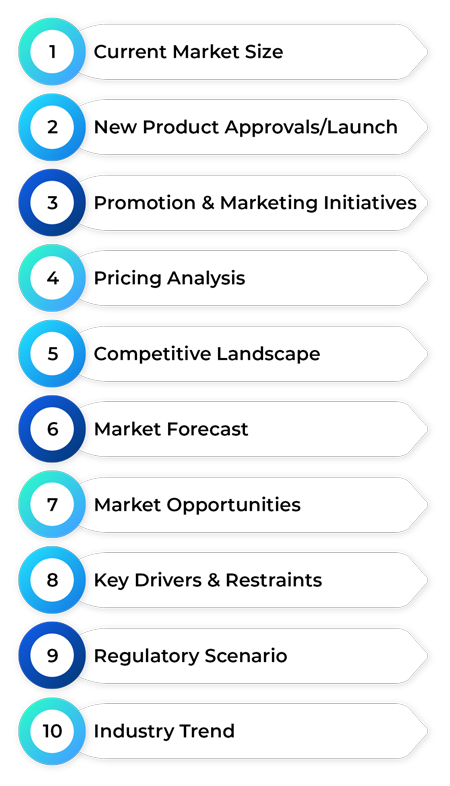
Research on the market is done by industry professionals who provide personalized insights on the industry structure, market segmentation, Type assessment, competitive landscape (CL), along with penetration, and emerging trends. In addition to years of professional experience in their various fields and sectors, their analysis is largely based on primary interview (60%) and secondary research (40%) as well as years of professional experience. In addition, our researchers forecast the market's direction over the following seven years by examining past trends and the market's current position. Additionally, various trends of segments and categories that are geographically portrayed are studied and estimated using primary and secondary research.
The key level executives (VP, CEO, Marketing Directors, and Business Development Managers) of the major industry participants who are active and prominent as well as mid-scale businesses operating in this market were interviewed in-depth for this supply-side report by overall Global Market Research.
Extensive primary research was conducted to gain a deeper grasp of the market and industry. Both primary and secondary research, as well as years of pertinent professional experience, are used to support the analysis. By analyzing past and present market patterns, our experts were able to forecast the market's course over the following seven years. For the geographically offered categories in the list of market tables, it differs per category. In connection with the Global Market research report, we also conducted a number of primary interviews with senior level executives (VP, CEO's, Directors, Marketing Directors, Business Development Managers, CFOs, Technical Consultants, Key Opinion Leaders, Industry Experts, Decision Matrix Authorities, and other crucial individuals) of the key industry players who dominated the Global market.
The primary purpose of secondary research was to gather, identify, and validate the information necessary for the thorough, technical, market-focused, and commercial analysis of the global market. With the use of this study, it was also possible to classify and segment the market in accordance with market trends, geographic markets, and regional considerations linked to market type. Analysts have gathered data in the Distribution Channel for the study of the market from reliable sources including annual reports, journals, white papers, corporate presentations, company websites, international organizations of Energy and Power manufacturers, credible paid databases, and many others to gather reliable intel.
Both top-down and bottom-up methodologies were employed to assess the accuracy of the global market size. The market for as a whole was estimated using these methods for a number of different dependent submarkets. Secondary research was used to address the major industry players, and primary and secondary research was used to calculate their market shares in the various regions. This complete intellectual process includes reading the annual and financial reports of the top market participants and conducting in-depth interviews with top industry executives (VP, CEO, Marketing Directors, and Business Development Managers) to gain important industry insights.
Through reliable secondary sources and validated primary sources, the classification of the global markets and their geographic percentage splits were established. To obtain the final qualitative and quantitative data, all relevant variables that might have an impact on the market under investigation have been taken into consideration, inspected in great depth, verified through primary research, and assessed. This information was collected, added to, and thoroughly examined by professional analysts before being provided in this report. The process used to estimate the overall market size for this study is depicted in the following image as an example.


Report Code :
RL65530
Published on :
Upcoming
Request a Free Sample Report

 Speak to Analyst