
 +1 915 229 3004 (U.S.) |
  +44 7452 242832 (U.K.)
+1 915 229 3004 (U.S.) | +44 7452 242832 (U.K.)

The Heat Transfer Fluid Market is anticipated to reach a value of USD 6.83 billion by 2030, displaying a Compound Annual Growth Rate (CAGR) of 5.88% during the forecast period from 2022 to 2030. The global market is driven by a growing demand to maintain temperatures in various end-use industries.
Heat Transfer Fluids, whether fluids or gases, play a pivotal role in transmitting heat from one system to another. These fluids, derived from both petroleum and synthetically formulated materials such as silicone and hydrocarbons, offer advantages such as low system pressure, high temperature resistance, ease of maintenance, safety, and durability. These attributes contribute significantly to the expansion of the market.
The applications of Heat Transfer Fluids are widespread, with key sectors including oil and gas, chemicals, and renewable energy. In the chemical processing sector, these fluids are crucial for processes like indirect heating of polymers and liquids, pipeline tracing, gas processing, batch processing, and various heating applications. The escalating demand for chemicals across multiple industries, including automotive, construction, electronics, consumer goods, health, and nutrition, has fueled the production of chemicals, subsequently driving the Heat Transfer Fluid market.
Furthermore, Heat Transfer Fluids find extensive use in the solar energy sector for solar energy generation and thermal storage. The rapid adoption of solar and renewable energy, particularly in countries like China, Spain, and India, has led to substantial investments, further boosting the Heat Transfer Fluid market.
The COVID-19 pandemic has had a significant impact on global industries, including the Heat Transfer Fluid market. The widespread adoption of lockdowns and social distancing measures has disrupted production, leading to decreased supply and a subsequent decline in demand. The Heat Transfer Fluid market, being integral to the manufacturing process of chemicals and products, experienced reduced demand due to lower production. Travel restrictions also added to the challenges. However, it is anticipated that the market will gradually recover post the pandemic, as economic activities normalize.
One of the primary drivers of the Heat Transfer Fluid industry is the increasing use of solar energy. As countries globally focus on renewable energy sources and initiatives to reduce carbon emissions, the demand for Heat Transfer Fluids in solar technology has surged. The growth of solar power capacity, as indicated by the U.S. Department of Energy, underscores this trend. Additionally, the superior heat transfer capabilities of Heat Transfer Fluids compared to petroleum oil, along with their oxidation and thermal stability, make them preferred choices in various industries.
The increasing need for energy conservation, driven by energy scarcity and environmental regulations, presents opportunities for Heat Transfer Fluids. These fluids play a crucial role in efficient energy management, offering solutions to enhance energy efficiency and lower costs.
The application of Heat Transfer Fluids in certain industries, such as plastics, metals, and chemicals, carries the risk of explosions. Safety considerations become paramount, limiting their use in certain applications. Additionally, the degradation of these fluids over time can make them explosive, posing a restraint to market growth.
Fluctuating raw material prices, particularly for key components like benzene, glycol, and phenol, pose a challenge for manufacturers. The volatility in raw material prices can impact production costs, affecting profit margins and becoming a significant challenge for the Heat Transfer Fluid market.
The diverse applications of Heat Transfer Fluids across various sectors and the increasing adoption of solar technology worldwide are expected to fuel the industry's growth. With a projected healthy CAGR of 5.88%, the Heat Transfer Fluid market is poised for sustained expansion in the forecast period.
· Mineral Oils
· Synthetic Fluids
· Glycols
· Nano-fluids
· Others
· Chemicals & Processing
· Oil & Gas
· Pharmaceuticals
· Renewable Energy
· Automotive
· Food & Beverage
Major regions contributing to the Heat Transfer Fluid market include Asia-Pacific, North America, Europe, and the rest of the world. Asia-Pacific is expected to lead due to increased investments in the automotive sector, rising purchasing power, and the presence of large countries. Europe, with rapid industrialization, is poised to propel market growth, while North America, being a developed and economically strong region, will contribute significantly to market demand.
Key players in the Heat Transfer Fluid market include Huntsman Corporation (U.S.), Global Heat Transfer Ltd. (Canada), Royal Dutch Shell plc (Netherlands), DOW (U.S.), ExxonMobil (U.S.), Chevron (U.S.), Paratherm (U.S.), BASF (Germany), Lanxess (Germany), Phillips 66 (U.S.), Arkema (France), Schultz Canada Chemicals Ltd. (Canada), Radco Industries (U.S.), among others. Notably, Huntsman Corporation has played a significant role in boosting market trends.
In April 2019, Eastman acquired Marlotherm, a Heat Transfer Fluids manufacturing asset in Germany. This acquisition by Eastman, a global energy and chemical company, aimed to enhance its production of Heat Transfer Fluid products.
· Mineral Oils
· Synthetic Fluids
· Glycols
· Nano-fluids
· Others
· Chemical
· Oil & Gas
· Food & Beverage
· Pharmaceuticals
· Renewable Energy
· Automotive
· HVAC & Refrigeration
· Others
· Market Size: USD 6.83 billion by 2030
· CAGR: 5.88% CAGR (2022-2030)
· Base Year: 2021
· Forecast Period: 2022 to 2030
· Historical Data: 2019 & 2020
· Forecast Units: Value (USD Million)
· Report Coverage: Revenue Forecast, Competitive Landscape, Growth Factors, and Trends
· Segments Covered: Type, End-Use Industries
· Geographies Covered: North America, Europe, Asia-Pacific, and Rest of the World (RoW)
· Key Vendors: DOW (U.S), Exxonmobil (U.S), Chevron (U.S), Paratherm (U.S), BASF (Germany), Lanxess (Germany), Huntsman Corporation (U.S), and Global Heat Transfer Ltd. (Canada). Royal Dutch Shell plc (Netherlands), Phillips 66 (U.S), Arkema (France), Schultz Canada Chemicals Ltd. (Canada), and Radco Industries (U.S) are among others.
· Key Market Opportunities: New product launches and R&D among major key players
· Key Market Drivers: Increasing development in emerging countries, Increase in chemical processing, Automotive manufacturing, and renewable energy-based energy generation, Increased need to maintain temperatures in end-use industries.
The Heat Transfer Fluid Market is anticipated to reach a value of USD 6.83 billion by 2030.
The global market is projected to grow at a CAGR of 5.88% during the forecast period, 2023-2030.
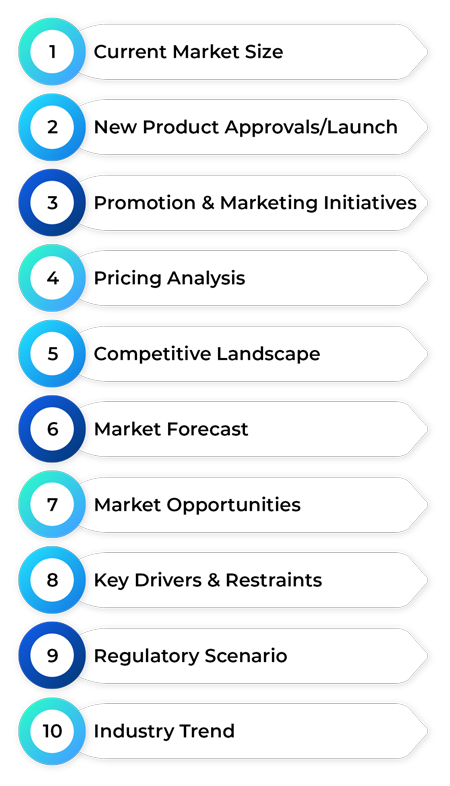
Research on the market is done by industry professionals who provide personalized insights on the industry structure, market segmentation, Type assessment, competitive landscape (CL), along with penetration, and emerging trends. In addition to years of professional experience in their various fields and sectors, their analysis is largely based on primary interview (60%) and secondary research (40%) as well as years of professional experience. In addition, our researchers forecast the market's direction over the following seven years by examining past trends and the market's current position. Additionally, various trends of segments and categories that are geographically portrayed are studied and estimated using primary and secondary research.
The key level executives (VP, CEO, Marketing Directors, and Business Development Managers) of the major industry participants who are active and prominent as well as mid-scale businesses operating in this market were interviewed in-depth for this supply-side report by overall Global Market Research.
Extensive primary research was conducted to gain a deeper grasp of the market and industry. Both primary and secondary research, as well as years of pertinent professional experience, are used to support the analysis. By analyzing past and present market patterns, our experts were able to forecast the market's course over the following seven years. For the geographically offered categories in the list of market tables, it differs per category. In connection with the Global Market research report, we also conducted a number of primary interviews with senior level executives (VP, CEO's, Directors, Marketing Directors, Business Development Managers, CFOs, Technical Consultants, Key Opinion Leaders, Industry Experts, Decision Matrix Authorities, and other crucial individuals) of the key industry players who dominated the Global market.
The primary purpose of secondary research was to gather, identify, and validate the information necessary for the thorough, technical, market-focused, and commercial analysis of the global market. With the use of this study, it was also possible to classify and segment the market in accordance with market trends, geographic markets, and regional considerations linked to market type. Analysts have gathered data in the Distribution Channel for the study of the market from reliable sources including annual reports, journals, white papers, corporate presentations, company websites, international organizations of Energy and Power manufacturers, credible paid databases, and many others to gather reliable intel.
Both top-down and bottom-up methodologies were employed to assess the accuracy of the global market size. The market for as a whole was estimated using these methods for a number of different dependent submarkets. Secondary research was used to address the major industry players, and primary and secondary research was used to calculate their market shares in the various regions. This complete intellectual process includes reading the annual and financial reports of the top market participants and conducting in-depth interviews with top industry executives (VP, CEO, Marketing Directors, and Business Development Managers) to gain important industry insights.
Through reliable secondary sources and validated primary sources, the classification of the global markets and their geographic percentage splits were established. To obtain the final qualitative and quantitative data, all relevant variables that might have an impact on the market under investigation have been taken into consideration, inspected in great depth, verified through primary research, and assessed. This information was collected, added to, and thoroughly examined by professional analysts before being provided in this report. The process used to estimate the overall market size for this study is depicted in the following image as an example.


Report Code :
RL65556
Published on :
Upcoming
Request a Free Sample Report

 Speak to Analyst