
 +1 915 229 3004 (U.S.) |
  +44 7452 242832 (U.K.)
+1 915 229 3004 (U.S.) | +44 7452 242832 (U.K.)

The global renewable energy market witnessed a valuation of $881.8 billion in 2020 and is anticipated to reach $1,977.7 billion by 2030, with a projected Compound Annual Growth Rate (CAGR) of 8.5% from 2021 to 2030. Renewable energy, synonymous with clean energy, is sourced from replenishable natural resources. Wind energy, a notable type of renewable energy, involves harnessing electric power from kinetic energy generated by wind. Wind turbines, both onshore and offshore, play a crucial role in converting wind energy into electricity.
However, the renewable energy market faced challenges during the COVID-19 pandemic. Planned maintenance became a significant concern due to reduced labor force and adherence to social distancing norms, impacting the industry's key players. Project delays and order cancellations affected both blade production and wind turbine installations.
Renewable energy encompasses sources like solar, geothermal, wind, bioenergy, hydropower, and ocean power. While contributing approximately 7% to the global energy demand, it is costlier than fossil fuels. Factors such as the urgency to address global warming, reduce carbon emissions, enhance energy security, and the diminishing appeal of traditional nuclear power drive the demand for renewable energy.
However, substantial initial investments for infrastructure development pose a challenge, hindering the growth of the renewable energy market. Finding suitable sites, training workers, and optimizing technology performance in various climatic conditions are additional hurdles.
On the positive side, countries like China and India are poised to drive demand for the geothermal power sector, spurred by increased energy needs and investments in renewable energy projects. Government initiatives worldwide, promoting renewable energy for its efficiency, lower pollution, and reduced maintenance costs, contribute to the market's growth.
A shift towards localized energy procurement, witnessed in countries like India through Community Choice Aggregation (CCA) policies, further opens future growth avenues for the global renewable energy market.
The analysis considers types (hydroelectric power, wind power, bioenergy, solar energy, and geothermal energy), end-users (residential, commercial, industrial, and others), and regions (North America, Europe, Asia-Pacific, and LAMEA). Major companies profiled include ABB, Acciona, EDF, Enel Spa, General Electric, Innergex, Invenergy, National Grid Renewables, The Tata Power Company Limited (Tata Power), and Xcel Energy Inc.
Asia-Pacific is projected to grow at a CAGR of 9.65% during 2021-2030, representing 35.25% of the renewable energy market share in 2020. Increased industrialization and population growth contribute to over half of global energy consumption in the region, with notable growth in countries like China and India.
Hydroelectric power dominated revenue generation in 2020, expected to grow at a CAGR of 6.55% during the forecast period. Significant hydropower development, especially in Brazil, and increased investments for off-grid energy generation in developing countries contribute to this growth.
Solar energy emerges as the most lucrative segment, with residential end-use acquiring the top position in 2020, expected to grow at a CAGR of 8.4% during the forecast period. The residential sector's increased use of geothermal heat pumps and government initiatives for carbon emission reduction drive this growth.
Porter's five forces analysis aids in assessing buyer and supplier potential and industry competitiveness.
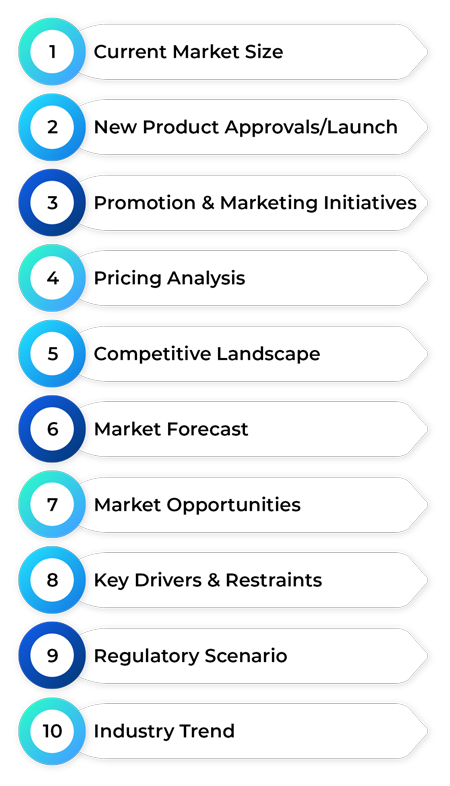
Current renewable energy market trends and future estimations from 2020 to 2030 provide insights into opportunities and potential investment areas.
Mapping individual revenue contributions of major countries in the region enhances regional market understanding.
Detailed impact analysis of key drivers, restraints, and opportunities is outlined.
Key player profiles and strategic developments are enlisted.
The pandemic adversely affected wind turbine manufacturing in countries like China and Germany, leading to negative financial impacts on companies such as Nordex SE and Siemens Gamesa Renewable Energy SA. Limited spares and manpower availability for maintenance during high wind seasons and project delays and cancellations due to the pandemic were major challenges. However, a shift towards domestic supply chains and digitization implementation may aid recovery.
The global renewable energy market witnessed a valuation of $881.8 billion in 2020 and is anticipated to reach $1,977.7 billion by 2030
The global market is projected to grow at a CAGR of 8.5% during the forecast period, 2023-2030.
Research on the market is done by industry professionals who provide personalized insights on the industry structure, market segmentation, Type assessment, competitive landscape (CL), along with penetration, and emerging trends. In addition to years of professional experience in their various fields and sectors, their analysis is largely based on primary interview (60%) and secondary research (40%) as well as years of professional experience. In addition, our researchers forecast the market's direction over the following seven years by examining past trends and the market's current position. Additionally, various trends of segments and categories that are geographically portrayed are studied and estimated using primary and secondary research.
The key level executives (VP, CEO, Marketing Directors, and Business Development Managers) of the major industry participants who are active and prominent as well as mid-scale businesses operating in this market were interviewed in-depth for this supply-side report by overall Global Market Research.
Extensive primary research was conducted to gain a deeper grasp of the market and industry. Both primary and secondary research, as well as years of pertinent professional experience, are used to support the analysis. By analyzing past and present market patterns, our experts were able to forecast the market's course over the following seven years. For the geographically offered categories in the list of market tables, it differs per category. In connection with the Global Market research report, we also conducted a number of primary interviews with senior level executives (VP, CEO's, Directors, Marketing Directors, Business Development Managers, CFOs, Technical Consultants, Key Opinion Leaders, Industry Experts, Decision Matrix Authorities, and other crucial individuals) of the key industry players who dominated the Global market.
The primary purpose of secondary research was to gather, identify, and validate the information necessary for the thorough, technical, market-focused, and commercial analysis of the global market. With the use of this study, it was also possible to classify and segment the market in accordance with market trends, geographic markets, and regional considerations linked to market type. Analysts have gathered data in the Distribution Channel for the study of the market from reliable sources including annual reports, journals, white papers, corporate presentations, company websites, international organizations of Energy and Power manufacturers, credible paid databases, and many others to gather reliable intel.
Both top-down and bottom-up methodologies were employed to assess the accuracy of the global market size. The market for as a whole was estimated using these methods for a number of different dependent submarkets. Secondary research was used to address the major industry players, and primary and secondary research was used to calculate their market shares in the various regions. This complete intellectual process includes reading the annual and financial reports of the top market participants and conducting in-depth interviews with top industry executives (VP, CEO, Marketing Directors, and Business Development Managers) to gain important industry insights.
Through reliable secondary sources and validated primary sources, the classification of the global markets and their geographic percentage splits were established. To obtain the final qualitative and quantitative data, all relevant variables that might have an impact on the market under investigation have been taken into consideration, inspected in great depth, verified through primary research, and assessed. This information was collected, added to, and thoroughly examined by professional analysts before being provided in this report. The process used to estimate the overall market size for this study is depicted in the following image as an example.


Report Code :
RL65564
Published on :
Upcoming
Request a Free Sample Report

 Speak to Analyst