
 +1 915 229 3004 (U.S.) |
  +44 7452 242832 (U.K.)
+1 915 229 3004 (U.S.) | +44 7452 242832 (U.K.)

Global Starch-based Packaging Market Size was valued at USD 6.7 Billion in 2022. The Starch-based Packaging market Type is projected to grow from USD 7.6 Billion in 2023 to USD 12.6 Billion by 2032, exhibiting a compound annual growth rate (CAGR) of 6.80% during the forecast period (2023 - 2032). The growing market for flexible packaging, technological breakthroughs in packaging solutions, and rising disposable income, are the key market drivers enhancing the market growth.
Download Free Sample to learn more about this report
Source: Secondary Research, Primary Research, RESEARCH LAYER Database and Analyst Review
A rise in the use of starch-based bioplastics as alternative packaging due to their barrier properties, which limit moisture transfer from food to the atmosphere, and the implementation of strict environmental regulations over use of these films, which have a lower negative environmental impact than traditional plastics, act as the key drivers of the global starch-based bioplastic market. Profitable opportunities for industrial expansion are also created as companies look for a consistent source of raw materials as a result of changing oil prices. Additionally, it is projected that the packaging industry's use of starch-based films for commodities packaging, pharmaceutical packaging, food packaging, and cosmetic packaging will drive market growth. Additionally, it is anticipated that continuous government subsidies and investments in biodegradable plastics would spur market expansion by easing the difficulties involved in disposing of traditional plastics in landfills and the ocean. Governments are actively pushing the use of bioplastics through taxation and subsidy programs, which has a significant positive impact on the market's growth.
The market for starch-based bioplastics is primarily driven by rising demand for flexible packaging, technological developments in packaging solutions, and rising disposable income. The market for starch-based bioplastics packaging is seeing increased demand thanks to a variety of end-use industries, such as the homecare, healthcare, personal care, food & beverage, and automotive industries.
The rising popularity of e-commerce has created a demand for packaging that is both ecologically responsible and provides enough protection during delivery. Businesses have the opportunity to profit from government incentives and restrictions. Packaging made of starch is an excellent alternative for e-commerce since it can be manufactured to offer good cushioning and stress absorption. Many nations throughout the world are putting legislation into place to encourage the use of environmentally friendly packaging materials, such as packaging made of starch. For enterprises that invest in these materials, tax incentives or other financial aid may be available.
As a result of continued research and development activities in this field and growing public awareness of environmental preservation, the market for starch-based bioplastics is expanding. The severe government laws and restrictions put in place by several governments to reduce the use of plastic have also increased demand for packaging made of starch-based bioplastics. The need for food goods among consumers is expected to increase demand for starch-based bioplastic packaging. This is due to the fact that starch-based bioplastics are affordable, simple to use, and have a high tensile strength, making them perfect for use in food packaging. In order to reinforce their brand's position in the marketplace, many brand owners also pick ecologically friendly packaging choices, which is expected to boost demand for the starch-based packaging sector. Thus, driving the Starch-based Packaging market revenue.
The global Starch-based Packaging market segmentation, based on Type, includes starch blended with PLA, starch blended with PHA, and others (starch-based PVOH blends and PBS). Starch blended with PLA segment dominated the global market in 2022. This is explained by the fact that PLA with additional starch is a material with positive environmental effects.
The global Starch-based Packaging market segmentation, based on Technology, includes injection molding, blow molding, extrusion, and others (thermoforming and foaming). The injection molding segment dominated the global Starch-based Packaging market in 2022. The advantages of automation and the decline in costs associated with the injection molding process account for this.
Download Free Sample to learn more about this report
Source: Secondary Research, Primary Research, RESEARCH LAYER Database and Analyst Review
The global Starch-based Packaging market segmentation, based on Application, includes rigid packaging, flexible packaging, textile, consumer goods, agriculture, automotive, building & construction, electronics, and others. Rigid packaging segment dominated the global market in 2022. This is understandable given the widespread use of starch-based bioplastics in the packaging, consumer goods, agriculture, and automotive & transportation sectors.
Insights into the markets in North America, Europe, Asia-Pacific, and the rest of the world are provided by the study. The Asia Pacific Starch-based Packaging market dominated this market in 2022 (45.80%). Due to the region's high population density, the biodegradable market in Southeast Asia has great potential. Government initiatives that encourage the use of biobased products are driving the growth of the Asia-Pacific market for starch-based bioplastics. The growing urbanization and industrialization in the developing economies of the Asia-Pacific region, particularly in India and other South East Asian countries, can also be attributed to the expansion of the regional market. China is the principal producer of starch-based polymers in Asia-Pacific. Moreover, In the Asia-Pacific region, the Indian Starch-based Packaging market had the quickest rate of growth while China's Starch-based Packaging market had the greatest market share.
Further, the major countries studied in the market report are The US, Canada, German, France, the UK, Italy, Spain, China, Japan, India, Australia, South Korea, and Brazil.
Download Free Sample to learn more about this report
Source: Secondary Research, Primary Research, RESEARCH LAYER Database and Analyst Review
The North American starch-based Packaging Market is expected to register significant growth from 2023 to 2032. The region's growth is mostly attributable to the established presence of key end-use industries and the accessibility of cutting-edge technologies. The American government has taken action to encourage the use of compostable and biodegradable packaging materials. With the implementation of the Break Free from Plastic Pollution Act in 2021, producers will be obligated to take responsibility for their plastic trash and lessen the quantity of single-use plastics produced in the country. This may lead to a rise in demand for packaging made from substitute materials, such starch.
The United States is home to a number of prominent players in the starch-based packaging market, such as Plantic Technologies, Inc., Eco-Products, and NatureWorks LLC. These companies are actively involved in the development and manufacture of starch-based packaging options, which contribute to the growth of the local market. Further, In the North American area, the U.S. Starch-based Packaging market had the biggest market share, while the Canada Starch-based Packaging market had the quickest rate of expansion.
Europe Starch-based Packaging market accounted for the healthy market share in 2022. This is because there are top-notch facilities for research and development and tight governmental guidelines for reducing carbon impact. Due to the goals many European countries have set for themselves to reduce plastic waste and promote the use of biodegradable materials, the demand for packaging made of starch has surged. In Europe, the food and beverage industry makes up a sizeable portion of the end users of starch-based packaging. Cafeterias and widely spread take-out restaurants are the primary providers of starch-based packaging solutions. Further, In the European region, the German Starch-based Packaging market had the biggest market share, and the U.K. Starch-based Packaging market had the quickest rate of growth.
Leading industry companies are making significant R&D investments in order to diversify their product offerings, which will drive the Starch-based Packaging market's expansion. Important market developments include new product releases, contractual agreements, mergers and acquisitions, greater investments, and collaboration with other organizations. Market participants are also engaging in a number of strategic actions to increase their global footprint. The Starch-based Packaging sector needs to provide affordable products if it wants to grow and thrive in a more competitive and challenging market environment.
One of the primary business strategies employed by manufacturers in the worldwide Starch-based Packaging industry to assist customers and expand the market sector is local manufacturing to reduce operational costs. Some of the biggest benefits to medicine have recently come from the Starch-based Packaging sector. Major players in the Starch-based Packaging market, including Seamore, Evoware, Bloom, Cuan Tec, Starch-based Energy Based, AlgaePac, Algopack, Sea6 Energy, Oceanium, and Cascadia Starch-based, are attempting to increase market demand by investing in research and development operations.
NOVAMONT S.P.A., a public limited company, with its headquarters in Italy at VIA GIACOMO FAUSER, 8. On November 4th, 1996, the company opened for operation with 305 personnel. NOVAMONT S.P.A.'s status is Active. Production of basic chemicals, nitrogen compounds, polymers, and synthetic rubber in its purest forms constitutes their primary line of business. Their company registration number is NO171484. In 2020, it was reported that Novamont S.p.A. and the British company Biopac would collaborate to develop and commercialize a new line of compostable packaging products made from renewable resources.
Mondi Plc (Mondi) is a supplier of paper and packaging solutions. It manufactures and sells packaging made of flexible plastic, paper, and pulp. Its range also includes packaging paper, specialty goods, and uncoated fine paper. The company also cultivates trees, converts packing paper into commercial bags, and creates specialized extrusion-coated goods. The automotive, medical and pharmaceutical, retail, pet care, building and construction, chemicals and dangerous goods, e-commerce, beverages, home and personal care, farming and agriculture, office and printing paper, photographic and graphic, transportation, and food industries are just a few of the industries that use Mondi products. The company has operations in Europe, the Americas, Asia, and Africa. Mondi worked with the organic farm BIOhof Kirchweidach in Bavaria to develop a sustainable packaging solution for 500g packets of tomatoes on the vine to be sold at PENNY stores, which are owned by the leading German retailer REWE Group.
· Seamore
· Evoware
· Bloom
· Cuan Tec
· Starch-based Energy Based
· AlgaePac
· Algopack
· Sea6 Energy
· Oceanium
· Cascadia Starch-based
January 2021: Amcor, a major player in international packaging, unveiled the first flexible retort pouch that is recyclable. This is acknowledged as a significant technical achievement that the company put years of devoted study into achieving.
· Starch Blended with PLA
· Starch Blended with PHA
· Others (Starch-based PVOH Blends and PBS)
· Injection Molding
· Blow Molding
· Extrusion
· Others (Thermoforming and Foaming)
· Rigid Packaging
· Flexible Packaging
· Textile
· Consumer Goods
· Agriculture
· Automotive
· Building & Construction
· Electronics
· Others
· North America
- US
- Canada
· Europe
- Germany
- France
- UK
- Italy
- Spain
- Rest of Europe
· Asia-Pacific
- China
- Japan
- India
- Australia
- South Korea
- Australia
- Rest of Asia-Pacific
· Rest of the World
- Middle East
- Africa
- Latin America
|
Report Attribute/Metric |
Details |
|
Market Size 2022 |
USD 6.7 Billion |
|
Market Size 2023 |
USD 7.6 Billion |
|
Market Size 2032 |
USD 12.6 Billion |
|
Compound Annual Growth Rate (CAGR) |
6.80% (2023-2032) |
|
Base Year |
2022 |
|
Market Forecast Period |
2023-2032 |
|
Historical Data |
2018- 2022 |
|
Market Forecast Units |
Value (USD Billion) |
|
Report Coverage |
Revenue Forecast, Market Competitive Landscape, Growth Factors, and Trends |
|
Segments Covered |
Type, Technology, Application, and Region |
|
Geographies Covered |
North America, Europe, Asia Pacific, and the Rest of the World |
|
Countries Covered |
The U.S., Canada, German, France, U.K, Italy, Spain, China, Japan, India, Australia, South Korea, and Brazil |
|
Key Companies Profiled |
Seamore, Evoware, Bloom, Cuan Tec, Starch-based Energy Based, AlgaePac, Algopack, Sea6 Energy, Oceanium, and Cascadia Starch-based |
|
Key Market Opportunities |
legislative law that strictly prohibits the use of plastic packaging |
|
Key Market Dynamics |
The expanding flexible packaging market, packaging solutions' technological advancements, and increased disposable income |
The global Starch-based Packaging Market was valued at USD 6.7 billion in 2022, and it is estimated to reach USD 12.6 billion by 2032.
The global market is projected to grow at a CAGR of 6.80% during the forecast period, 2023-2032.
Asia Pacific had the largest share in the global market
The key players in the market are Seamore, Evoware, Bloom, Cuan Tec, Starch-based Energy Based, AlgaePac, Algopack, Sea6 Energy, Oceanium, and Cascadia Starch-based
The Starch Blended with PLA Type dominated the market in 2022.
The Injection Molding Technology had the largest share in the global market.
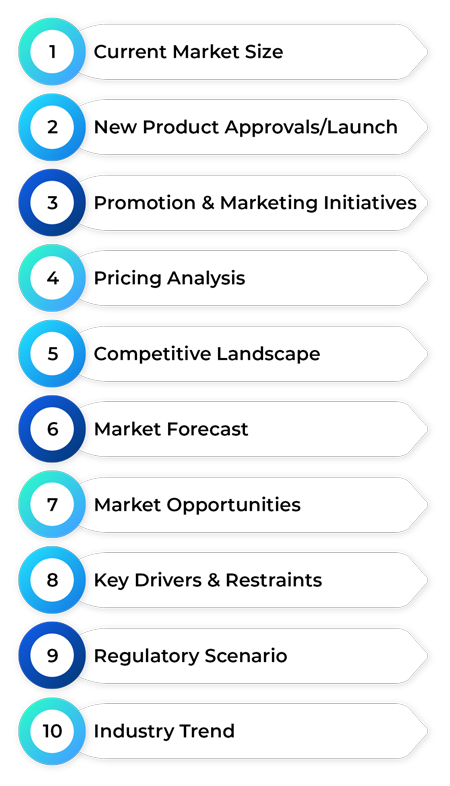
Research on the market is done by industry professionals who provide personalized insights on the industry structure, market segmentation, Type assessment, competitive landscape (CL), along with penetration, and emerging trends. In addition to years of professional experience in their various fields and sectors, their analysis is largely based on primary interview (60%) and secondary research (40%) as well as years of professional experience. In addition, our researchers forecast the market's direction over the following seven years by examining past trends and the market's current position. Additionally, various trends of segments and categories that are geographically portrayed are studied and estimated using primary and secondary research.
The key level executives (VP, CEO, Marketing Directors, and Business Development Managers) of the major industry participants who are active and prominent as well as mid-scale businesses operating in this market were interviewed in-depth for this supply-side report by overall Global Market Research.
Extensive primary research was conducted to gain a deeper grasp of the market and industry. Both primary and secondary research, as well as years of pertinent professional experience, are used to support the analysis. By analyzing past and present market patterns, our experts were able to forecast the market's course over the following seven years. For the geographically offered categories in the list of market tables, it differs per category. In connection with the Global Market research report, we also conducted a number of primary interviews with senior level executives (VP, CEO's, Directors, Marketing Directors, Business Development Managers, CFOs, Technical Consultants, Key Opinion Leaders, Industry Experts, Decision Matrix Authorities, and other crucial individuals) of the key industry players who dominated the Global market.
The primary purpose of secondary research was to gather, identify, and validate the information necessary for the thorough, technical, market-focused, and commercial analysis of the global market. With the use of this study, it was also possible to classify and segment the market in accordance with market trends, geographic markets, and regional considerations linked to market type. Analysts have gathered data in the Distribution Channel for the study of the market from reliable sources including annual reports, journals, white papers, corporate presentations, company websites, international organizations of Energy and Power manufacturers, credible paid databases, and many others to gather reliable intel.
Both top-down and bottom-up methodologies were employed to assess the accuracy of the global market size. The market for as a whole was estimated using these methods for a number of different dependent submarkets. Secondary research was used to address the major industry players, and primary and secondary research was used to calculate their market shares in the various regions. This complete intellectual process includes reading the annual and financial reports of the top market participants and conducting in-depth interviews with top industry executives (VP, CEO, Marketing Directors, and Business Development Managers) to gain important industry insights.
Through reliable secondary sources and validated primary sources, the classification of the global markets and their geographic percentage splits were established. To obtain the final qualitative and quantitative data, all relevant variables that might have an impact on the market under investigation have been taken into consideration, inspected in great depth, verified through primary research, and assessed. This information was collected, added to, and thoroughly examined by professional analysts before being provided in this report. The process used to estimate the overall market size for this study is depicted in the following image as an example.


Report Code :
RL65218
Published on :
Sep 2023
Request a Free Sample Report

 Speak to Analyst