
 +1 915 229 3004 (U.S.) |
  +44 7452 242832 (U.K.)
+1 915 229 3004 (U.S.) | +44 7452 242832 (U.K.)

The global waste-to-energy market witnessed substantial growth, reaching USD 42.42 billion in 2022 and is anticipated to surpass USD 82.28 billion by 2032, exhibiting a robust CAGR of 6.95% during the forecast period from 2023 to 2032. In the U.S., the waste-to-energy market was valued at USD 7.5 billion in 2022.
Regional Distribution: Europe secured the highest revenue share of 41.1% in 2022, while Asia-Pacific is poised for the fastest expansion during the forecast period.
Technology Insights: The thermal segment dominated with over 80.1% revenue share in 2022, while the biological segment is expected to exhibit the fastest CAGR.
Growth Factors: The market's growth is attributed to favorable government policies promoting waste disposal and energy generation, increased global energy demand, and rising waste production due to population growth.
Environmental Concerns: Growing environmental concerns, carbon emissions, and air pollution have driven governments to adopt waste-to-energy solutions, aiming to reduce greenhouse gases and promote cleaner energy sources.
Driver: The rising demand for biofuels, accounting for 3.6% of global transport energy demand, is a major growth driver.
Restraint: Regulatory hurdles and time-consuming approval processes for products made from waste pose challenges to market entry and growth.
Opportunity: Government support, as seen through initiatives and financial assistance for bioenergy programs, presents a significant growth opportunity.
Challenge: High expenses associated with waste management, maintenance, and infrastructure limitations hinder market expansion.
· Market Size (2023): USD 45.14 Billion
· Market Size (2032): USD 82.28 Billion
· Growth Rate (2023-2032): CAGR of 6.95%
· Segmentation: Technology, Form, Application, Geography
· Hitachi Zosen
· Wheelabrator
· Keppel Seghers
· Covanta
· Tenologies
· Foster Wheeler
· Mitsubishi Heavy Industries
· Xcel Energy
· Veolia Environment
· China Everbright International
· Plasco Energy
· Green Conversion Systems
Thermal technology dominated with 80.1% market share in 2022, driven by the eco-friendly incineration process.
Biological technology is poised for significant growth, fueled by advancements in anaerobic decomposition technology and rising demand for clean vehicle fuels.
Europe: Led the global market with a 41.1% share in 2022, driven by strict regulations on carbon emissions and waste disposal.
North America: Held the second-largest position, propelled by increasing awareness of climate change and government initiatives for clean energy.
Asia Pacific: Emerging as the most opportunistic market due to rapid industrialization, urbanization, and government focus on waste-to-energy solutions.
· In December 2020, the Karnataka government in India laid the foundation for a waste-to-energy plant.
· In October 2020, Doosan Lentjes received a contract to develop a wood combustion plant in Dinslaken.
· In 2018, Acciona developed Australia's first large-scale waste-to-energy plant in Kwinana Industrial Area.
· Hitachi Zosen
· Wheelabrator
· Keppel Seghers
· Covanta
· Tenologies
· Foster Wheeler
· Mitsubishi Heavy Industries
· Xcel Energy
· Veolia Environment
· China Everbright International
· Plasco Energy
· Green Conversion Systems
· By Technology: Thermal (Incineration, Pyrolysis, Gasification), Biological
· By Form: Steam, Electricity, Hot Water
· By Application: Treatment of Waste, Reduction of Waste Volume, Generation of Energy
· By Geography: North America, Europe, Asia-Pacific, Latin America, Middle East & Africa
· This overview provides a comprehensive insight into the waste-to-energy market, highlighting key drivers, challenges, opportunities, and market players in the dynamic landscape of sustainable energy solutions.
The global waste-to-energy market witnessed substantial growth, reaching USD 42.42 billion in 2022 and is anticipated to surpass USD 82.28 billion by 2032.
The global market is projected to grow at a CAGR of 6.95% during the forecast period, 2023-2030.
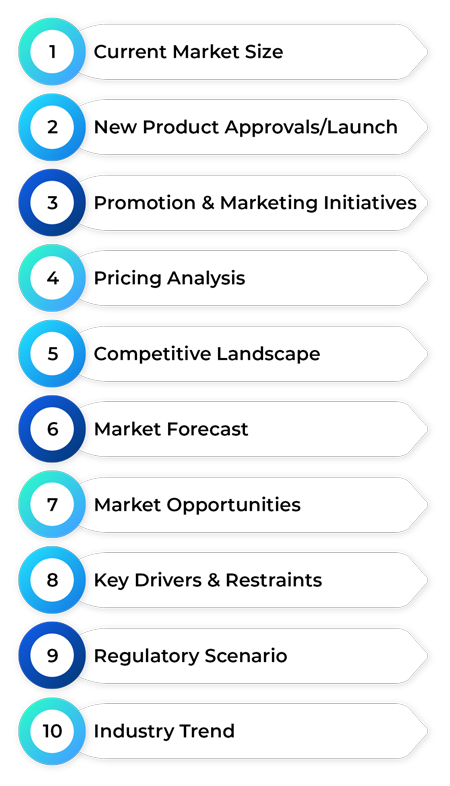
Research on the market is done by industry professionals who provide personalized insights on the industry structure, market segmentation, Type assessment, competitive landscape (CL), along with penetration, and emerging trends. In addition to years of professional experience in their various fields and sectors, their analysis is largely based on primary interview (60%) and secondary research (40%) as well as years of professional experience. In addition, our researchers forecast the market's direction over the following seven years by examining past trends and the market's current position. Additionally, various trends of segments and categories that are geographically portrayed are studied and estimated using primary and secondary research.
The key level executives (VP, CEO, Marketing Directors, and Business Development Managers) of the major industry participants who are active and prominent as well as mid-scale businesses operating in this market were interviewed in-depth for this supply-side report by overall Global Market Research.
Extensive primary research was conducted to gain a deeper grasp of the market and industry. Both primary and secondary research, as well as years of pertinent professional experience, are used to support the analysis. By analyzing past and present market patterns, our experts were able to forecast the market's course over the following seven years. For the geographically offered categories in the list of market tables, it differs per category. In connection with the Global Market research report, we also conducted a number of primary interviews with senior level executives (VP, CEO's, Directors, Marketing Directors, Business Development Managers, CFOs, Technical Consultants, Key Opinion Leaders, Industry Experts, Decision Matrix Authorities, and other crucial individuals) of the key industry players who dominated the Global market.
The primary purpose of secondary research was to gather, identify, and validate the information necessary for the thorough, technical, market-focused, and commercial analysis of the global market. With the use of this study, it was also possible to classify and segment the market in accordance with market trends, geographic markets, and regional considerations linked to market type. Analysts have gathered data in the Distribution Channel for the study of the market from reliable sources including annual reports, journals, white papers, corporate presentations, company websites, international organizations of Energy and Power manufacturers, credible paid databases, and many others to gather reliable intel.
Both top-down and bottom-up methodologies were employed to assess the accuracy of the global market size. The market for as a whole was estimated using these methods for a number of different dependent submarkets. Secondary research was used to address the major industry players, and primary and secondary research was used to calculate their market shares in the various regions. This complete intellectual process includes reading the annual and financial reports of the top market participants and conducting in-depth interviews with top industry executives (VP, CEO, Marketing Directors, and Business Development Managers) to gain important industry insights.
Through reliable secondary sources and validated primary sources, the classification of the global markets and their geographic percentage splits were established. To obtain the final qualitative and quantitative data, all relevant variables that might have an impact on the market under investigation have been taken into consideration, inspected in great depth, verified through primary research, and assessed. This information was collected, added to, and thoroughly examined by professional analysts before being provided in this report. The process used to estimate the overall market size for this study is depicted in the following image as an example.


Report Code :
RL65569
Published on :
Upcoming
Request a Free Sample Report

 Speak to Analyst