
 +1 915 229 3004 (U.S.) |
  +44 7452 242832 (U.K.)
+1 915 229 3004 (U.S.) | +44 7452 242832 (U.K.)

Global Cancer Supportive Care Market Size was valued at USD 19.7 Billion in 2022. The Cancer Supportive Care market industry is projected to grow from USD 20.6 Billion in 2023 to USD 24.7 Billion by 2032, exhibiting a compound annual growth rate (CAGR) of 2.60% during the forecast period (2023 - 2032). The rising cancer incidence, expanding geriatric population, and widespread chemotherapy use in low- and middle-income countries, are the key market drivers enhancing the market growth.
Download Free Sample to learn more about this report
Source: Secondary Research, Primary Research, RESEARCH LAYER Database and Analyst Review
The market is being driven by the aging population, rising cancer incidence, and extensive use of chemotherapy in low- and middle-income countries. The global COVID-19 epidemic has had a profound impact on cancer therapy. According to the American Society of Clinical Oncology, there was a significant drop in visits, cancer testing, operations, and therapy throughout the epidemic.
The overall number of hospital outpatient evaluation and management (E&M) visits (74%), visits for new patients (70%), and visits for current patients (60%) all decreased significantly. However, around the second quarter of 2021, the situation generally started to normalize in most places. Two of the main factors driving market expansion are the rising cancer prevalence and the growing senior population. According to Globocan, there will probably be 28.4 million additional cases of cancer in the following 20 years, an increase of 47% from 2020. Additionally, as the average lifespan rises to 80 years in developing countries, older people are more susceptible to cancer.
According to the SEER Database of the U.S. National Cancer Institute, around two-thirds of all new cancer cases are detected in those 65 years of age and beyond, showing that aging can make people more susceptible to such diseases. As a result of the explosion in technological advancements, major companies are primarily focusing on the development of revolutionary targeted medications for the treatment of cancer. Compared to conventional treatments like chemotherapy, it has less adverse effects. These factors can prevent the market from growing throughout the expected period. For instance, Trodelvy (sacituzumab govitecan-hziy) received accelerated approval from the U.S. FDA in April 2020.
Triple-negative breast cancer patients are suitable for treatment with it. Contrary to chemotherapy and other conventional therapies, this antibody-drug combination only targets and kills specific infected cells through its toxic chemical compound. Another obstacle to market expansion is the popularity of biosimilars and generic drugs. Sales of branded drugs are being affected by the release of biosimilar copies of well-known drugs. As an illustration, Pfizer's biosimilar to Amgen's NEULASTA, NYVEPRIA, received approval in June 2020. Thus, driving the Cancer Supportive Care market revenue.
The global Cancer Supportive Care market segmentation, based on Type, includes ESA (erythropoiesis-stimulating agents), G-CSFs (granulocyte colony-stimulating factors), antiemetics, bisphosphonates, opioids, NSAIDs (non-steroidal auto inflammatory drugs), and others. Granulocyte colony-stimulating factor (G-CSF) sales accounted for the biggest revenue proportion in 2022. It serves as the main therapy for cancer-related neutropenia. One of the supportive care medications most frequently used to treat lymphoma and breast cancer is this one.
The global Cancer Supportive Care market segmentation, based on Application, includes breast cancer, lung cancer, colorectal cancer, prostate cancer, liver cancer, stomach cancer, and others. The breast cancer industry had the largest market share in 2022. The rise in female breast cancer incidence around the world is to blame for this. Broad metastasis, in which the malignant cells spread across the tissues around the breast, has become increasingly common, increasing the intensity and cost of breast cancer treatment. As a result of the requirement to reduce and control pain throughout the extensive treatment of breast cancer, it is projected that the demand for cancer supportive care drugs will increase.
The global Cancer Supportive Care market segmentation, based on Distribution Channel, includes hospital pharmacies, drug stores and retail pharmacies, and online providers. Hospital pharmacies held the largest proportion of the market in 2022. The ability of the hospital pharmacy to offer patients individualized treatment regimens for cancer patients is what drives the segment's growth. In addition, it has been observed that a significant contributor to the growth of the hospital pharmacy market is the increasing hospitalization of cancer patients in settings with advanced care settings.
Download Free Sample to learn more about this report
Source: Secondary Research, Primary Research, RESEARCH LAYER Database and Analyst Review
Insights into the markets in North America, Europe, Asia-Pacific, and the rest of the world are provided by the study. The North America Cancer Supportive Care Market dominated the global market in 2022 with a 45.80% share. The swift adoption of pharmaceutical industry developments is predicted to greatly expand the market for cancer supportive care drugs in North America. During the anticipated term, the presence of prominent suppliers in the supportive care sector will maintain North America's dominance in the cancer-supportive care drug market. Further, In the North American area, the U.S. Cancer Supportive Care market had the biggest market share, while the Canada Cancer Supportive Care market had the quickest rate of expansion.
Further, the major countries studied in the market report are The US, Canada, German, France, the UK, Italy, Spain, China, Japan, India, Australia, South Korea, and Brazil.
Download Free Sample to learn more about this report
Source: Secondary Research, Primary Research, RESEARCH LAYER Database and Analyst Review
Europe Cancer Supportive Care market accounts for the second-largest market share. Due to the sharp increase in female patients being diagnosed with breast cancer, there is a greater need in the area for palliative care services and cancer supportive care medications. During the projected period, this aspect is anticipated to fuel the market's expansion in Europe. To provide more cutting-edge and dependable treatment for cancer patients, numerous private businesses and governmental organizations are investing significant sums in R&D operations in the oncology research industry. Further, In the European region, the German Cancer Supportive Care market had the biggest market share, and the U.K. Cancer Supportive Care market had the quickest rate of growth.
The Asia Pacific Cancer Supportive Care market is expected to register fastest CAGR from 2023 to 2032, because there is a growing need for supportive care in the oncology sector. Chemotherapy is widely used to treat cancer patients in this area. Due to the rise in chemotherapies in urban areas, the market for cancer supportive care drugs in Asia Pacific is predicted to grow. Furthermore, growing vendor investments in oncology research will support the market's growth in Asia Pacific. Moreover, In the Asia-Pacific region, the Indian Cancer Supportive Care market had the quickest rate of growth while China's Cancer Supportive Care market had the greatest market share.
Leading industry companies are making significant R&D investments in order to diversify their product offerings, which will drive the Cancer Supportive Care market's expansion. Important market developments include new product releases, contractual agreements, mergers and acquisitions, greater investments, and collaboration with other organizations. Market participants are also engaging in a number of strategic actions to increase their global footprint. The Cancer Supportive Care sector needs to provide affordable products if it wants to grow and thrive in a more competitive and challenging market environment.
One of the primary business strategies employed by manufacturers in the worldwide Cancer Supportive Care industry to assist customers and expand the market sector is local manufacturing to reduce operational costs. Some of the biggest benefits to medicine have recently come from the Cancer Supportive Care sector. Major players in the Cancer Supportive Care market, including Amgen Inc., Baxter International Inc., F. Hoffmann-La Roche Ltd., GlaxoSmithKline Plc (GSK) (Tesaro), Helsinn Healthcare, Heron Therapeutics, Johnson & Johnson (Janssen Global Services, LLC,), Merck KGAA, Novartis International AG (Sandoz), and Teva Pharmaceuticals., are attempting to increase market demand by investing in research and development operations.
Imugene Ltd. (Imugene), a biopharmaceutical business, is currently working on creating immuno-oncology vaccines. The business creates immunotherapies that prompt cancer patients' immune systems to seek out and destroy tumors. For the treatment of various cancers, such as gastric, breast, and lung cancers, the company's pipeline products include HER-Vaxx, PD1-Vaxx, B-Vaxx, Vaxinia (CF33-hNIS), CHECKvacc (CF33+ hNIS+ PD-L1), PD-L1, VEGF, and IGF-1R. A clinical trial cooperation and supply agreement between Imugene, an Australian biotech startup, and MSD, an American subsidiary of Kenilworth, New Jersey-based Merck & Co., Inc., were announced in March 2022. The goal of the collaboration is to evaluate the efficacy and safety of pembrolizumab (marketed under the name KEYTRUDA), an anti-PD-1 medication from MSD, in combination with Imugene's HER-Vaxx, a B-cell activating immunotherapy, for patients with HER-2 positive gastric cancer.
The creation, manufacture, and marketing of prescription and over-the-counter medications, as well as items for eye care, are the areas of expertise of a healthcare company by the name of Novartis AG (Novartis). It provides medications for treating solid tumors, immune system problems, infections, cardiovascular disease, dermatological problems, neurological problems, ophthalmic and respiratory illnesses, cancer, and neurological abnormalities, among other conditions. for the treatment of adult patients with prostate-specific membrane antigen-positive metastatic castration, a particular form of advanced cancer.-resistant prostate cancer (mCRPC) that is PSMA-positive and has metastasized to other organs, Novartis got FDA approval for Pluvicto in March 2022.
· Amgen Inc.
· Baxter International Inc.
· F. Hoffmann-La Roche Ltd.
· GlaxoSmithKline Plc (GSK) (Tesaro)
· Helsinn Healthcare
· Heron Therapeutics
· Johnson & Johnson (Janssen Global Services, LLC,)
· Merck KGAA
· Novartis International AG (Sandoz)
· Teva Pharmaceuticals.
December 2022: The U.S. Food and Drug Administration (FDA) has approved the immunotherapy drug atezolizumab (Tecentriq) for the treatment of adults and children 2 years of age and older with Alveolar Soft Part Sarcoma (ASPS) that has spread to other regions of the body or cannot be removed surgically.
March 2020: The National Cancer Institute has launched the Molecular Characterization Initiative for pediatric cancers. Patients can benefit from this program's tumor molecular characterisation, also known as biomarker testing, if they have recently been diagnosed with central nervous system tumors and are receiving treatment at hospitals associated with the Children's Oncology Group (COG).
· ESA (Erythropoiesis-Stimulating Agents)
· G-CSFs (Granulocyte Colony-Stimulating Factors)
· Antiemetics
· Bisphosphonates
· Opioids
· NSAIDs (Non-Steroidal Auto Inflammatory Drugs)
· Others
· Breast Cancer
· Lung Cancer
· Colorectal Cancer
· Prostate Cancer
· Liver Cancer
· Stomach Cancer
· Others
· Hospital Pharmacies
· Drug Stores and Retail Pharmacies
· Online Providers
· North America
- US
- Canada
· Europe
- Germany
- France
- UK
- Italy
- Spain
- Rest of Europe
· Asia-Pacific
- China
- Japan
- India
- Australia
- South Korea
- Australia
- Rest of Asia-Pacific
· Rest of the World
- Middle East
- Africa
- Latin America
|
Report Attribute/Metric |
Details |
|
Market Size 2022 |
USD 19.7 Billion |
|
Market Size 2023 |
USD 20.6 Billion |
|
Market Size 2032 |
USD 24.7 Billion |
|
Compound Annual Growth Rate (CAGR) |
2.60% (2023-2032) |
|
Base Year |
2022 |
|
Market Forecast Period |
2023-2032 |
|
Historical Data |
2018- 2022 |
|
Market Forecast Units |
Value (USD Billion) |
|
Report Coverage |
Revenue Forecast, Market Competitive Landscape, Growth Factors, and Trends |
|
Segments Covered |
Type, Application, Distribution Channel, and Region |
|
Geographies Covered |
North America, Europe, Asia Pacific, and the Rest of the World |
|
Countries Covered |
The US, Canada, German, France, UK, Italy, Spain, China, Japan, India, Australia, South Korea, and Brazil |
|
Key Companies Profiled |
Amgen Inc., Baxter International Inc., F. Hoffmann-La Roche Ltd., GlaxoSmithKline Plc (GSK) (Tesaro), Helsinn Healthcare, Heron Therapeutics, Johnson & Johnson (Janssen Global Services, LLC,), Merck KGAA, Novartis International AG (Sandoz), and Teva Pharmaceuticals. |
|
Key Market Opportunities |
Development of safer alternatives |
|
Key Market Dynamics |
The rising prevalence of cancer, increase in the geriatric population, and high adoption of chemotherapy in low- and middle-income regions |
The global Cancer Supportive Care market size was valued at USD 19.7 Billion in 2022.
The global market is projected to grow at a CAGR of 2.60% during the forecast period, 2023-2032.
Who are the key players in the Cancer Supportive Care market?
The key players in the market are Amgen Inc., Baxter International Inc., F. Hoffmann-La Roche Ltd., GlaxoSmithKline Plc (GSK) (Tesaro), Helsinn Healthcare, Heron Therapeutics, Johnson & Johnson (Janssen Global Services, LLC,), Merck KGAA, Novartis International AG (Sandoz), and Teva Pharmaceuticals
The G-CSFs (Granulocyte Colony-Stimulating Factors) Type dominated the market in 2022.
The Breast Cancer Application had the largest share in the global market.
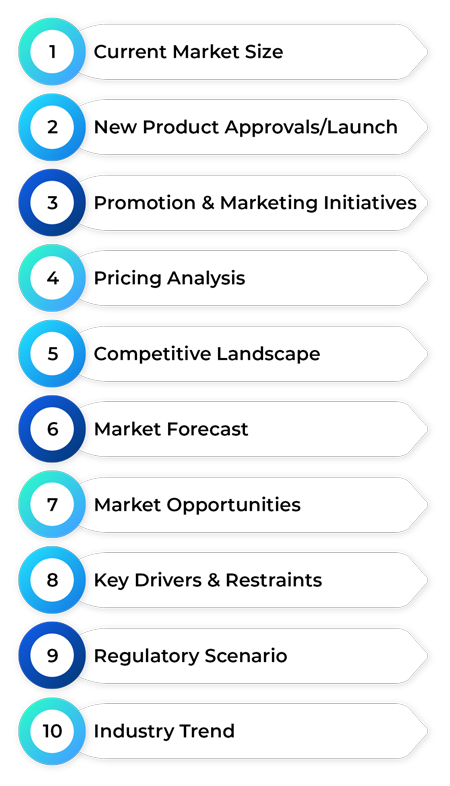
Research on the market is done by industry professionals who provide personalized insights on the industry structure, market segmentation, Type assessment, competitive landscape (CL), along with penetration, and emerging trends. In addition to years of professional experience in their various fields and sectors, their analysis is largely based on primary interview (60%) and secondary research (40%) as well as years of professional experience. In addition, our researchers forecast the market's direction over the following seven years by examining past trends and the market's current position. Additionally, various trends of segments and categories that are geographically portrayed are studied and estimated using primary and secondary research.
The key level executives (VP, CEO, Marketing Directors, and Business Development Managers) of the major industry participants who are active and prominent as well as mid-scale businesses operating in this market were interviewed in-depth for this supply-side report by overall Global Market Research.
Extensive primary research was conducted to gain a deeper grasp of the market and industry. Both primary and secondary research, as well as years of pertinent professional experience, are used to support the analysis. By analyzing past and present market patterns, our experts were able to forecast the market's course over the following seven years. For the geographically offered categories in the list of market tables, it differs per category. In connection with the Global Market research report, we also conducted a number of primary interviews with senior level executives (VP, CEO's, Directors, Marketing Directors, Business Development Managers, CFOs, Technical Consultants, Key Opinion Leaders, Industry Experts, Decision Matrix Authorities, and other crucial individuals) of the key industry players who dominated the Global market.
The primary purpose of secondary research was to gather, identify, and validate the information necessary for the thorough, technical, market-focused, and commercial analysis of the global market. With the use of this study, it was also possible to classify and segment the market in accordance with market trends, geographic markets, and regional considerations linked to market type. Analysts have gathered data in the Distribution Channel for the study of the market from reliable sources including annual reports, journals, white papers, corporate presentations, company websites, international organizations of Energy and Power manufacturers, credible paid databases, and many others to gather reliable intel.
Both top-down and bottom-up methodologies were employed to assess the accuracy of the global market size. The market for as a whole was estimated using these methods for a number of different dependent submarkets. Secondary research was used to address the major industry players, and primary and secondary research was used to calculate their market shares in the various regions. This complete intellectual process includes reading the annual and financial reports of the top market participants and conducting in-depth interviews with top industry executives (VP, CEO, Marketing Directors, and Business Development Managers) to gain important industry insights.
Through reliable secondary sources and validated primary sources, the classification of the global markets and their geographic percentage splits were established. To obtain the final qualitative and quantitative data, all relevant variables that might have an impact on the market under investigation have been taken into consideration, inspected in great depth, verified through primary research, and assessed. This information was collected, added to, and thoroughly examined by professional analysts before being provided in this report. The process used to estimate the overall market size for this study is depicted in the following image as an example.


Report Code :
RL65270
Published on :
Sep 2023
Request a Free Sample Report

 Speak to Analyst