
 +1 915 229 3004 (U.S.) |
  +44 7452 242832 (U.K.)
+1 915 229 3004 (U.S.) | +44 7452 242832 (U.K.)

As of 2022, the global animal vaccines market reached a valuation of USD 12.9 billion, with a projected compound annual growth rate (CAGR) of 9.41% from 2023 to 2030. The widespread acceptance of ruminant vaccines, particularly for cattle, is driven by the surge in cattle disease outbreaks and the continuous expansion of the global livestock population. This trend is attributed to animals playing a crucial role in providing meat, protein, milk, and other commercial products like wool and leather. Key vaccines in use include those for rabies, equine influenza virus, and foot-and-mouth diseases, mimicking naturally acquired immunity to prevent the transmission of infectious agents.
The demand for animal vaccines is spurred by increasing concerns about food security and the growth of animal husbandry, resulting in elevated livestock production globally. Variations in food preferences due to changing lifestyles, population growth, and the constant introduction of technologically advanced vaccines contribute to market expansion. The COVID-19 pandemic impacted the industry in 2020, leading to temporary closures of pig and poultry processing plants and speculation about potential bird-to-human virus transmission. A bird flu outbreak in India further affected poultry product prices and consumption.
The pandemic brought attention to the potential for human-to-animal transmission, with cases reported in farmed minks in the U.S. and Denmark. This prompted the need for COVID-19 animal vaccines, with companies like Zoetis and Russia's registration of the Carnivac-Cov vaccine for animals. The global cases of COVID-19 in domestic and wild animals are driving the acceptance of animal vaccines to safeguard preventive animal health, contributing to industry growth.
In response to the challenges posed by zoonotic diseases and the need for improved animal protein production, the U.K. announced the establishment of an Animal Vaccine Manufacturing and Innovation Centre in Surrey. This initiative aims to accelerate vaccine development for livestock, including addressing viral diseases like coronavirus. The rise in zoonotic diseases, coupled with environmental degradation and globalized trade and travel, emphasizes the critical role of animal vaccines in controlling emerging diseases.
Attenuated live vaccines dominate the market, constituting over 35.10% of revenue in 2022. This traditional vaccination method, the oldest in veterinary practice, is effective in reducing mortality rates and improving the lifespan of disease-affected animals. Recombinant vaccines, one of the fastest-growing segments, offer advantages such as reduced pathogenicity risk and the potential for vaccination against multiple virus strains.
The livestock segment holds the largest revenue share in 2022, driven by factors like rising livestock populations, government support, and disease outbreaks among cattle and sheep. The companion segment is expected to witness the fastest growth, particularly for preventing diseases like canine distemper. Subcutaneous administration is the predominant route, accounting for over 40.10% of revenue in 2022, while intranasal administration is projected to exhibit a growth rate of over 10.0% during the forecast period.
North America dominates the market with a revenue share of over 25.0% in 2022, driven by high livestock and zoonotic disease prevalence. In Asia Pacific, the market is anticipated to grow at the fastest rate, supported by rising livestock populations and government initiatives in developing economies. The increasing pet population in the U.S. also contributes to the region's market expansion.
The market is highly competitive, with key players adopting strategies such as mergers, acquisitions, partnerships, and new product launches to retain and diversify their market share. Major players include Zoetis, Ceva Santé Animale, Merck & Co., Inc., Vetoquinol S.A., Boehringer Ingelheim, Elanco, Virbac, Heska, Dechra Pharmaceuticals Plc, Idexx Laboratories, Inc., and Norbrook Inc.
The animal vaccines market is expected to reach USD 26.13 billion by 2030, with a CAGR of 9.30% from 2023 to 2030. The report covers market size, revenue forecasts, company rankings, competitive landscape, growth factors, and trends. Segments covered include product, animal type, route of administration, and region. The report offers insights into historical data, forecasts, and opportunities at global, regional, and country levels.
In conclusion, the global animal vaccines market is poised for significant growth, driven by factors such as the increasing demand for animal products, rising prevalence of zoonotic diseases, and initiatives to address emerging diseases. The market is characterized by diverse product segments, with live attenuated vaccines leading in revenue share, and key players adopting strategic measures to maintain and expand their market presence.
As of 2022, the global animal vaccines market reached a valuation of USD 12.9 billion.
The global market is projected to grow at a CAGR of 9.41% during the forecast period, 2023-2030.
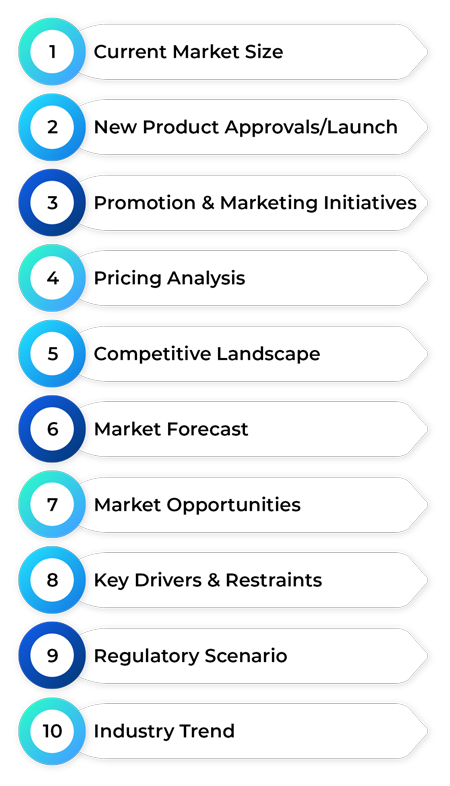
Research on the market is done by industry professionals who provide personalized insights on the industry structure, market segmentation, Type assessment, competitive landscape (CL), along with penetration, and emerging trends. In addition to years of professional experience in their various fields and sectors, their analysis is largely based on primary interview (60%) and secondary research (40%) as well as years of professional experience. In addition, our researchers forecast the market's direction over the following seven years by examining past trends and the market's current position. Additionally, various trends of segments and categories that are geographically portrayed are studied and estimated using primary and secondary research.
The key level executives (VP, CEO, Marketing Directors, and Business Development Managers) of the major industry participants who are active and prominent as well as mid-scale businesses operating in this market were interviewed in-depth for this supply-side report by overall Global Market Research.
Extensive primary research was conducted to gain a deeper grasp of the market and industry. Both primary and secondary research, as well as years of pertinent professional experience, are used to support the analysis. By analyzing past and present market patterns, our experts were able to forecast the market's course over the following seven years. For the geographically offered categories in the list of market tables, it differs per category. In connection with the Global Market research report, we also conducted a number of primary interviews with senior level executives (VP, CEO's, Directors, Marketing Directors, Business Development Managers, CFOs, Technical Consultants, Key Opinion Leaders, Industry Experts, Decision Matrix Authorities, and other crucial individuals) of the key industry players who dominated the Global market.
The primary purpose of secondary research was to gather, identify, and validate the information necessary for the thorough, technical, market-focused, and commercial analysis of the global market. With the use of this study, it was also possible to classify and segment the market in accordance with market trends, geographic markets, and regional considerations linked to market type. Analysts have gathered data in the Distribution Channel for the study of the market from reliable sources including annual reports, journals, white papers, corporate presentations, company websites, international organizations of Energy and Power manufacturers, credible paid databases, and many others to gather reliable intel.
Both top-down and bottom-up methodologies were employed to assess the accuracy of the global market size. The market for as a whole was estimated using these methods for a number of different dependent submarkets. Secondary research was used to address the major industry players, and primary and secondary research was used to calculate their market shares in the various regions. This complete intellectual process includes reading the annual and financial reports of the top market participants and conducting in-depth interviews with top industry executives (VP, CEO, Marketing Directors, and Business Development Managers) to gain important industry insights.
Through reliable secondary sources and validated primary sources, the classification of the global markets and their geographic percentage splits were established. To obtain the final qualitative and quantitative data, all relevant variables that might have an impact on the market under investigation have been taken into consideration, inspected in great depth, verified through primary research, and assessed. This information was collected, added to, and thoroughly examined by professional analysts before being provided in this report. The process used to estimate the overall market size for this study is depicted in the following image as an example.


Report Code :
RL65439
Published on :
Upcoming
Request a Free Sample Report

 Speak to Analyst