
 +1 915 229 3004 (U.S.) |
  +44 7452 242832 (U.K.)
+1 915 229 3004 (U.S.) | +44 7452 242832 (U.K.)

Global Personal Hygiene Market Size was valued at USD 514.7 Billion in 2022. The Personal Hygiene market industry is projected to grow from USD 534.7 Billion in 2023 to USD 726.7 Billion by 2032, exhibiting a compound annual growth rate (CAGR) of 3.80% during the forecast period (2023 - 2032). Increasing Disposable Income, Changing Lifestyles and Urbanization, Product Innovation and R&D, Growing Health and Hygiene Awareness, E-commerce and Online Retailing, Trends in health and wellness, Changing gender roles and beauty standards, an aging population, growing infectious disease concerns Marketing with social media and influencers, are the key market drivers enhancing the market growth.
Download Free Sample to learn more about this report
Source: Secondary Research, Primary Research, RESEARCH LAYER Database and Analyst Review
The increased information transmission through various media is one of the main elements influencing the rise in health and hygiene awareness. The general public has greatly benefited from education about the importance of maintaining excellent personal hygiene practices, in large part because of the efforts of health authorities, governments, non-profit organizations, and the media. Maintaining personal cleanliness is essential in preventing the spread of infectious diseases including the flu, the common cold, and digestive disorders, according to health advertisements, PSAs, and educational programs.
The COVID-19 pandemic's global expansion has brought attention to how crucial good personal hygiene is for shielding oneself and others against fatal illnesses. Guidelines from health organizations and governments around the world emphasize the value of routine hand washing, the use of hand sanitizers, and the right use of face masks to prevent the virus from spreading. The increased emphasis on maintaining good hygiene habits brought on by the epidemic has had a long-lasting effect on consumer behavior, driving up demand for hygiene-related goods. People are becoming significantly more informed about personal hygiene habits and the advantages of various hygiene products as a result of the expanding availability of information via the internet and social media platforms. Influential social media users in the health and wellness industries who have millions of followers have greatly aided in promoting the importance of upholding excellent hygiene habits. Customers are more likely to incorporate particular hygiene items into their regular routines as they become more aware of the potential health benefits of doing so.
The importance of self-care and personal wellbeing has increased as a result of rising health and hygiene awareness. Consumers actively seek out goods that align with their values of sustainability and wellbeing because they are more worried about their health than before. This tendency has led to a rise in the popularity of natural and organic personal hygiene products, which are perceived to be safer and more ecologically friendly than conventional, chemical-filled products.
The demand for personal care products has increased as people's awareness of health and cleanliness has increased, which has also affected how businesses market and advertise their goods. In order to appeal to clients who are health-conscious, manufacturers are emphasizing product features including antibacterial qualities, hypoallergenic formulations, and eco-friendly packaging. Thus, driving the Personal Hygiene market revenue.
The global Personal Hygiene market segmentation, based on Product, includes Soaps, Hand Sanitizers, Bath and Shower Products, Face Care Products and Other Products. The Bath and Shower Products segment dominated the market in 2022. The market is primarily propelled by people's increasing global awareness of health and cleanliness. Additionally, consumers are choosing more expensive, aesthetically beautiful bath and shower products with a range of fragrances and strong ingredients as their disposable income and living standards grow, which further feeds the market's expansion.
The global Personal Hygiene market segmentation, based on Gender, includes Unisex, Male and Female. The Unisex category generated the most income in 2022. Customers who like a minimalist lifestyle—both men and women—tend to choose unisex products because they typically have simpler, more neutral designs. These devices can make personal care routines simpler while also reducing waste and removing clutter because they can satisfy multiple users' needs at once.
The global Personal Hygiene market segmentation, based on distribution channel, includes Retail Pharmacies, Hospital-based Pharmacies, Supermarkets and E-commerce. The Supermarkets category generated the most income in 2022. Supermarkets are known for their convenience because they offer a one-stop shopping experience. Groceries, fresh produce, household goods, personal care products, and other items are all available to customers in one location. Because of this convenience for customers, who also save time and effort, supermarkets are a popular choice for everyday shopping needs.
Download Free Sample to learn more about this report
Source: Secondary Research, Primary Research, RESEARCH LAYER Database and Analyst Review
Insights into the markets in North America, Europe, Asia-Pacific, and the rest of the world are provided by the study. The Asia-Pacific Personal Hygiene Market dominated this market in 2022 (45.80%). Asia Pacific's population is growing swiftly, which has increased demand for personal hygiene products to satisfy a big consumer base. Moreover, In the Asia-Pacific region, the Indian Personal Hygiene market had the quickest rate of growth while China's Personal Hygiene market had the greatest market share.
Further, the major countries studied in the market report are The U.S., Canada, German, France, the UK, Italy, Spain, China, Japan, India, Australia, South Korea, and Brazil.
Download Free Sample to learn more about this report
Source: Secondary Research, Primary Research, RESEARCH LAYER Database and Analyst Review
The second-largest market share for Personal Hygiene is in Europe. In Europe, strict health and safety requirements promote good personal hygiene practices, especially in industries like the food and healthcare. These regulations raise the demand for hygiene products in businesses and organizations in order to assure compliance and the safety of the general public. Further, In the European region, the German Personal Hygiene market had the biggest market share, and the U.K. Personal Hygiene market had the quickest rate of growth.
From 2023 to 2032, the personal hygiene market in North America is anticipated to expand at the quickest rate. E-commerce and the increase in direct-to-consumer sales have had an impact on the personal hygiene sector in North America. Customers are fostering competition and growing the market thanks to greater access to a wider selection of goods and the option to buy them online. Further, In the North American area, the U.S. Personal Hygiene market had the biggest market share, while the Canada Personal Hygiene market had the quickest rate of expansion.
Leading industry companies are making significant R&D investments in order to diversify their product offerings, which will drive the Personal Hygiene market's expansion. Important market developments include new product releases, contractual agreements, mergers and acquisitions, greater investments, and collaboration with other organizations. Market participants are also engaging in a number of strategic actions to increase their global footprint. The Personal Hygiene sector needs to provide affordable products if it wants to grow and thrive in a more competitive and challenging market environment.
One of the primary business strategies employed by manufacturers in the worldwide Personal Hygiene industry to assist customers and expand the market sector is local manufacturing to reduce operational costs. Some of the biggest benefits to medicine have recently come from the Personal Hygiene sector. Major players in the Personal Hygiene market, including 3M, Johnson & Johnson, Unilever, P&G, Syndy Pharma, Colgate-Palmolive Company, B. Braun Melsungen, HARTMANN, Kimberly-Clark Corporation, and Reckitt Benckiser Group and others, are attempting to increase market demand by investing in research and development operations.
Johnson & Johnson (J&J) develops, produces, and markets pharmaceuticals, medical devices, and consumer goods. The company sells consumer goods in the oral care, baby care, beauty, over-the-counter (OTC) medication, women's health, and wound care categories, as well as pharmaceuticals for immunological, cancer, neurological, cardiovascular, and metabolic diseases. The company also sells medical equipment for use in the disciplines of general surgery, orthopaedics, neurovascular, and vision care. J&J distributes pharmaceutical and medical products to retailers, wholesalers, healthcare professionals, and hospitals in addition to selling consumer goods through retail stores and distributors. The company distributes its products not just in the US but also in Europe, Asia-Pacific, Africa, and the Western Hemisphere. J&J's corporate headquarters are located in New Brunswick, New Jersey, a city in the US.
Colgate-Palmolive Co. (Colgate-Palmolive) manufactures and sells products for dental care, personal care, home care, and pet nutrition. Toothpaste, toothbrushes, deodorants, shampoos, conditioners, dishwashing detergents, cleansers, mouthwashes, bar and liquid soaps, laundry supplies, and cat and dog food are among the company's product offerings. The company sells its products under a number of brand names, including Colgate, Palmolive, elmex, EltaMD, AJAX, Axion, Murphy's, Fabuloso, Suavitel, Hill's Prescription Diet, Lady Speed Stick, Fluffy, Tahiti, Speed Stick, PCA Skin, Hello, Cuddly, Axion, Irish Spring, and Afta. It operates manufacturing facilities across the Americas, Africa, Europe, and Asia-Pacific. The Colgate-Palmolive company has its headquarters in New York City.
· 3M
· Johnson & Johnson
· Unilever
· P&G
· Syndy Pharma
· Colgate-Palmolive Company
· B. Braun Melsungen
· HARTMANN
· Kimberly-Clark Corporation
· Reckitt Benckiser Group
May 2022: Mumbai now has an exclusive SS Beauty boutique by Shoppers Stop and Estée Lauder. This establishment has now improved the two companies' cooperation in India. The SS beauty store will only carry Estée Lauder brands, such as MAC Cosmetics, Clinique, Bobbi Brown, Jo Malone, Estee Lauder, Smashbox, and Tom Ford.
March 2022: A brand-new toothpaste called Visible White O2 has been released by Colgate-Palmolive. This is a state-of-the-art tooth paste that whitens teeth from the inside out. The company wants to appeal to a certain clientele in the market for luxury personal care products with this product.
January 2022: Procter & Gamble bought the posh skincare business Tula to add to its portfolio of luxury goods. Tula is a brand of natural skincare products that is backed by probiotic and superfood extracts. As part of the acquisition agreement, P&G Beauty will help the Tula team promote brand expansion and innovation.
· Soaps
· Hand Sanitizers
· Bath and Shower Products
· Face Care Products
· Other Products
· Unisex
· Male
· Female
· Retail Pharmacies
· Hospital based Pharmacies
· Supermarkets
· E-commerce
· North America
- U.S.
- Canada
· Europe
- Germany
- France
- UK
- Italy
- Spain
- Rest of Europe
· Asia-Pacific
- China
- Japan
- India
- Australia
- South Korea
- Australia
- Rest of Asia-Pacific
· Rest of the World
- Middle East
- Africa
- Latin America
|
Report Attribute/Metric |
Details |
|
Market Size 2022 |
USD 514.7 Billion |
|
Market Size 2023 |
USD 534.7 Billion |
|
Market Size 2032 |
USD 726.7 Billion |
|
Compound Annual Growth Rate (CAGR) |
3.80% (2023-2032) |
|
Base Year |
2022 |
|
Market Forecast Period |
2023-2032 |
|
Historical Data |
2018- 2022 |
|
Market Forecast Units |
Value (USD Billion) |
|
Report Coverage |
Revenue Forecast, Market Competitive Landscape, Growth Factors, and Trends |
|
Segments Covered |
Product, Gender, Distribution Channel, and Region |
|
Geographies Covered |
North America, Europe, Asia Pacific, and the Rest of the World |
|
Countries Covered |
The U.S., Canada, German, France, UK, Italy, Spain, China, Japan, India, Australia, South Korea, and Brazil |
|
Key Companies Profiled |
3M, Johnson & Johnson, Unilever, P&G, Syndy Pharma, Colgate-Palmolive Company, B. Braun Melsungen, HARTMANN, Kimberly-Clark Corporation, and Reckitt Benckiser Group. |
|
Key Market Opportunities |
Eco-friendly and dispenseable hygiene supplies. |
|
Key Market Dynamics |
Rising demand for incontinence products. |
The global Personal Hygiene Market was valued at USD 514.7 billion in 2022, and it is estimated to reach USD 726.7 billion by 2032.
The global market is projected to grow at a CAGR of 3.80% during the forecast period, 2023-2032.
Asia-Pacific had the largest share in the global market
The key players in the market are 3M, Johnson & Johnson, Unilever, P&G, Syndy Pharma, Colgate-Palmolive Company, B. Braun Melsungen, HARTMANN, Kimberly-Clark Corporation, and Reckitt Benckiser Group.
The Bath and Shower Products category dominated the market in 2022.
The Supermarkets had the largest share in the global market.
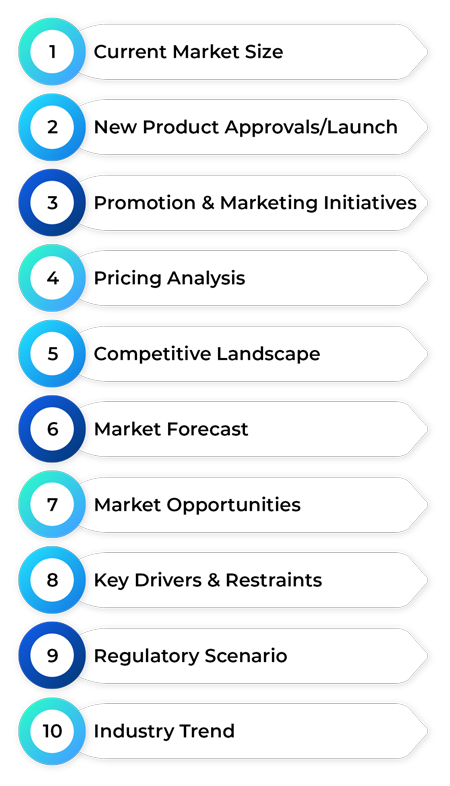
Research on the market is done by industry professionals who provide personalized insights on the industry structure, market segmentation, Type assessment, competitive landscape (CL), along with penetration, and emerging trends. In addition to years of professional experience in their various fields and sectors, their analysis is largely based on primary interview (60%) and secondary research (40%) as well as years of professional experience. In addition, our researchers forecast the market's direction over the following seven years by examining past trends and the market's current position. Additionally, various trends of segments and categories that are geographically portrayed are studied and estimated using primary and secondary research.
The key level executives (VP, CEO, Marketing Directors, and Business Development Managers) of the major industry participants who are active and prominent as well as mid-scale businesses operating in this market were interviewed in-depth for this supply-side report by overall Global Market Research.
Extensive primary research was conducted to gain a deeper grasp of the market and industry. Both primary and secondary research, as well as years of pertinent professional experience, are used to support the analysis. By analyzing past and present market patterns, our experts were able to forecast the market's course over the following seven years. For the geographically offered categories in the list of market tables, it differs per category. In connection with the Global Market research report, we also conducted a number of primary interviews with senior level executives (VP, CEO's, Directors, Marketing Directors, Business Development Managers, CFOs, Technical Consultants, Key Opinion Leaders, Industry Experts, Decision Matrix Authorities, and other crucial individuals) of the key industry players who dominated the Global market.
The primary purpose of secondary research was to gather, identify, and validate the information necessary for the thorough, technical, market-focused, and commercial analysis of the global market. With the use of this study, it was also possible to classify and segment the market in accordance with market trends, geographic markets, and regional considerations linked to market type. Analysts have gathered data in the Distribution Channel for the study of the market from reliable sources including annual reports, journals, white papers, corporate presentations, company websites, international organizations of Energy and Power manufacturers, credible paid databases, and many others to gather reliable intel.
Both top-down and bottom-up methodologies were employed to assess the accuracy of the global market size. The market for as a whole was estimated using these methods for a number of different dependent submarkets. Secondary research was used to address the major industry players, and primary and secondary research was used to calculate their market shares in the various regions. This complete intellectual process includes reading the annual and financial reports of the top market participants and conducting in-depth interviews with top industry executives (VP, CEO, Marketing Directors, and Business Development Managers) to gain important industry insights.
Through reliable secondary sources and validated primary sources, the classification of the global markets and their geographic percentage splits were established. To obtain the final qualitative and quantitative data, all relevant variables that might have an impact on the market under investigation have been taken into consideration, inspected in great depth, verified through primary research, and assessed. This information was collected, added to, and thoroughly examined by professional analysts before being provided in this report. The process used to estimate the overall market size for this study is depicted in the following image as an example.


Report Code :
RL65214
Published on :
Sep 2023
Request a Free Sample Report

 Speak to Analyst